Artistic director: Mareen Alburg Duncker
Förderschule “Astrid Lindgren” in Halle

MOSAIC – building and designing a treasure chest
In this course, each student created a container in which to store personal belongings.
Six wooden panels were sawn out as precisely as possible so that the pieces would later fit together without gaps. This was a great challenge, which everyone mastered wonderfully with mutual support.
The colorful mosaic tiles could then be placed, arranged, sorted, glued and the gaps colored or filled with grout according to their own ideas. After cleaning, the treasure chests shone brightly and are as individual as the children who designed them.
Artistic director: Ammar Assali
Evangelische Sekundarschule Magdeburg
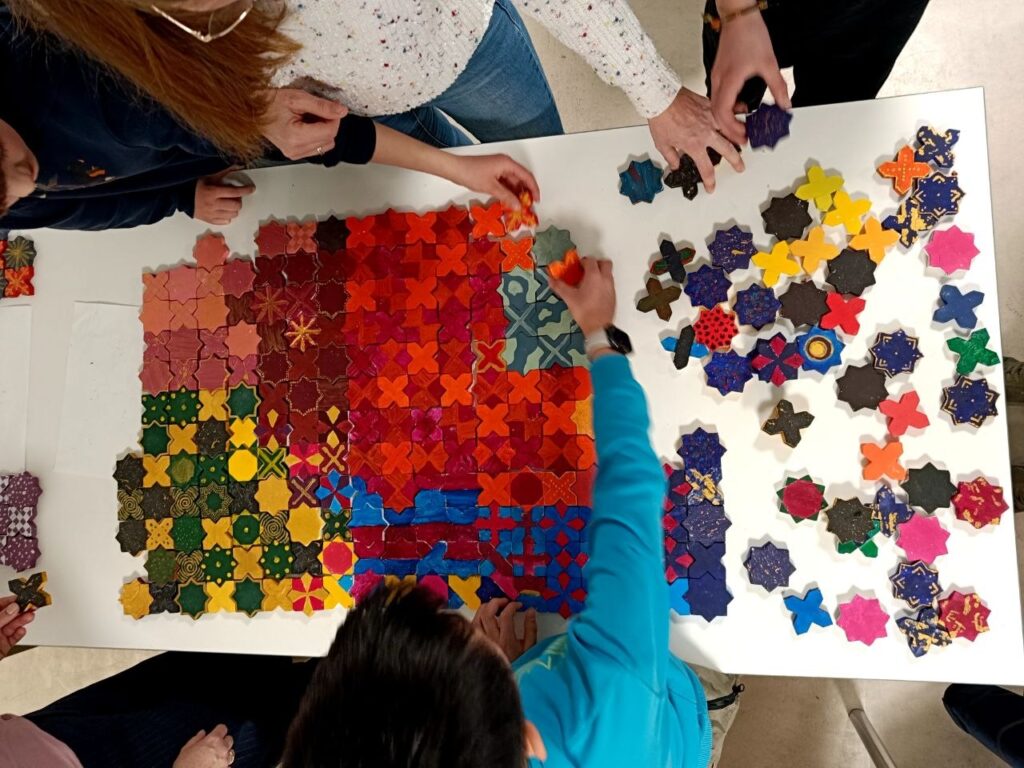
In the “Unity of Diversity” project, the school’s pupils and teachers created a 5 m wide, 1.5 m high wall relief. Geometric molds were used to create 1,300 plaster elements, which were sanded, painted and installed on a golden wall. The gold serves as a unifying background and symbolizes the value of life that connects all people. The plaster elements, with their different colors, symbolize our thoughts, identities and dreams and impressively show that together we are more than the sum of our parts. The artwork stands as a monument to diversity and community.
Artistic director: Ulrike Basner
Grundschule Glaucha Halle
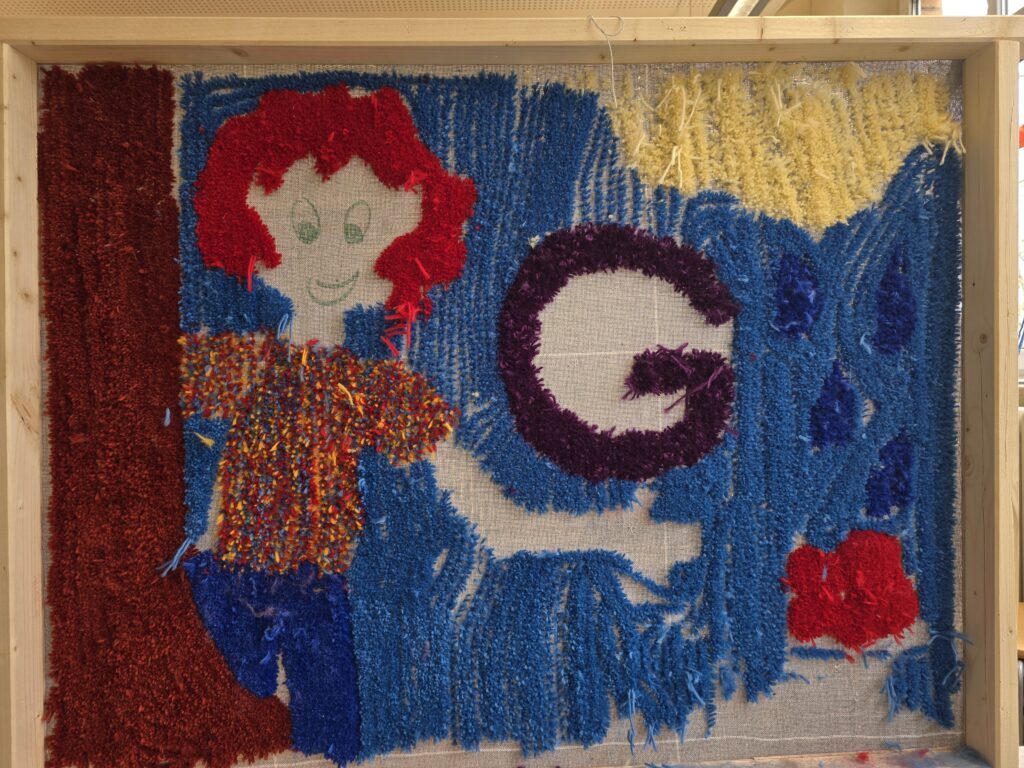
In the week before the Easter vacations, the children of the 4th grade tufted and applied their school logo to the canvas with colorful threads. While lessons were taking place at the same time, 4-7 children at a time – for 2 lessons – learned how to knot with the tufting gun. The large carpet, whose motif is made up of 4 parts, is to be hung up in the school. The children in Year 4 are moving on to grammar school, but their work remains.
Artistic director: Claudia Baugut
Regenbogenschule Landsberg
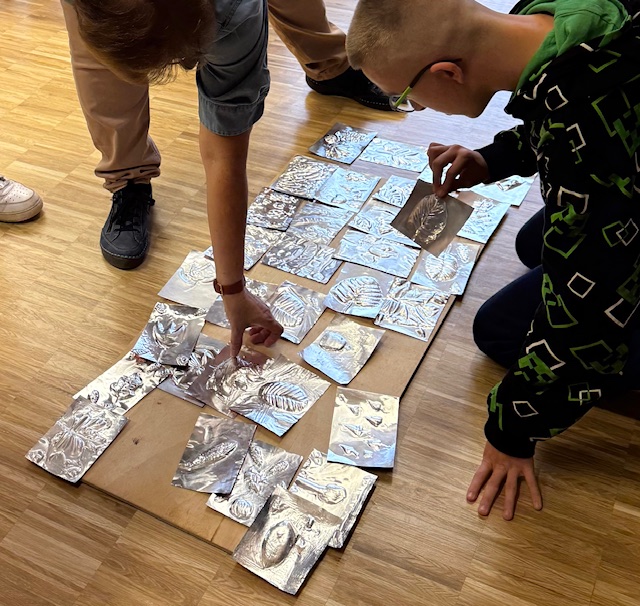
Forest of leaves
The project idea came with the season, the colorful autumn.
First, leaves were collected, viewed and rubbed through using the technique of frottage with grease crayons on paper, resulting in beautiful colorful works.
Pressing in metal is a demanding task that required a lot of concentration, sensitivity, spatial thinking and imagination from the special needs pupils.
After the outline drawing on foil, the relief was created from both sides by pressing out and resetting on a suitably hard or soft surface using wooden and metal tools. Many pieces were created and were admired and admired by each other.
The work will be on display at the school!
Artistic director: Michela Benedan
Freie Schule Bildungsmanufaktur Halle
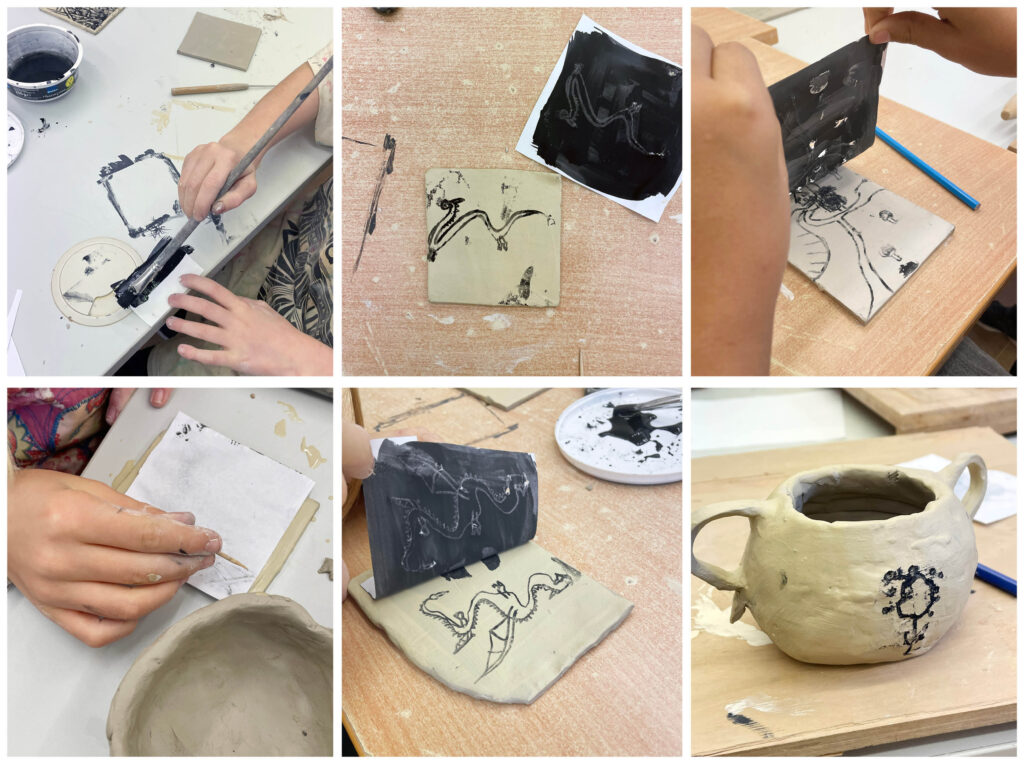
Printing techniques and ceramics are combined in this project through various monotype techniques. On the one hand, the classic monotype, in which the drawing is transferred from paper to clay. On the other hand, a printing technique that is first carried out on plaster and then transferred to a clay plate. We tried out a lot with some of the children in Year 5 and printed on clay. At first we worked with flat clay plates, before moving on to three-dimensionality and printing on vessels.
Artistic director: Sabine Brauns
Grundschulverbund An der Stadtmauer Zerbst
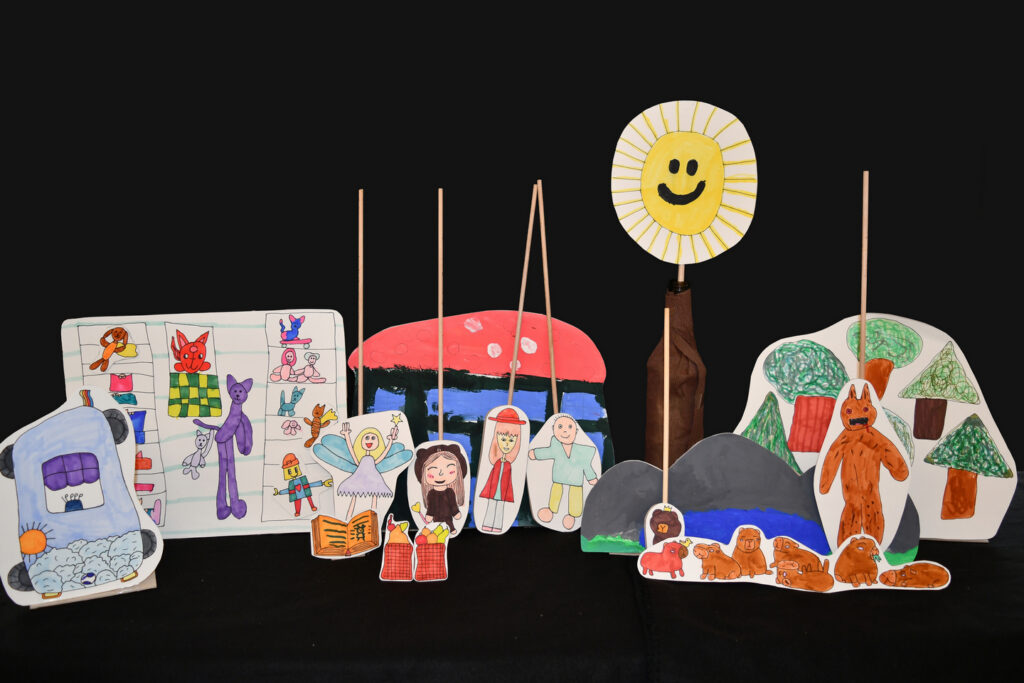
Under the motto “Stories you can touch”, pupils in grades 2-4 worked together to develop their own fantasy story. Over several months, they painted protagonists and backdrops, wrote profiles, sang, danced and rehearsed. “Die Zuckerstadt” takes place in two time periods. It tells the story of a town’s transformation into sweets and its heroic rescue. The highlights were two performances as table theater in front of an audience within the school.
Artistic director: Christiane Budig
Grundschule Am Mühlberg Hohenhturm
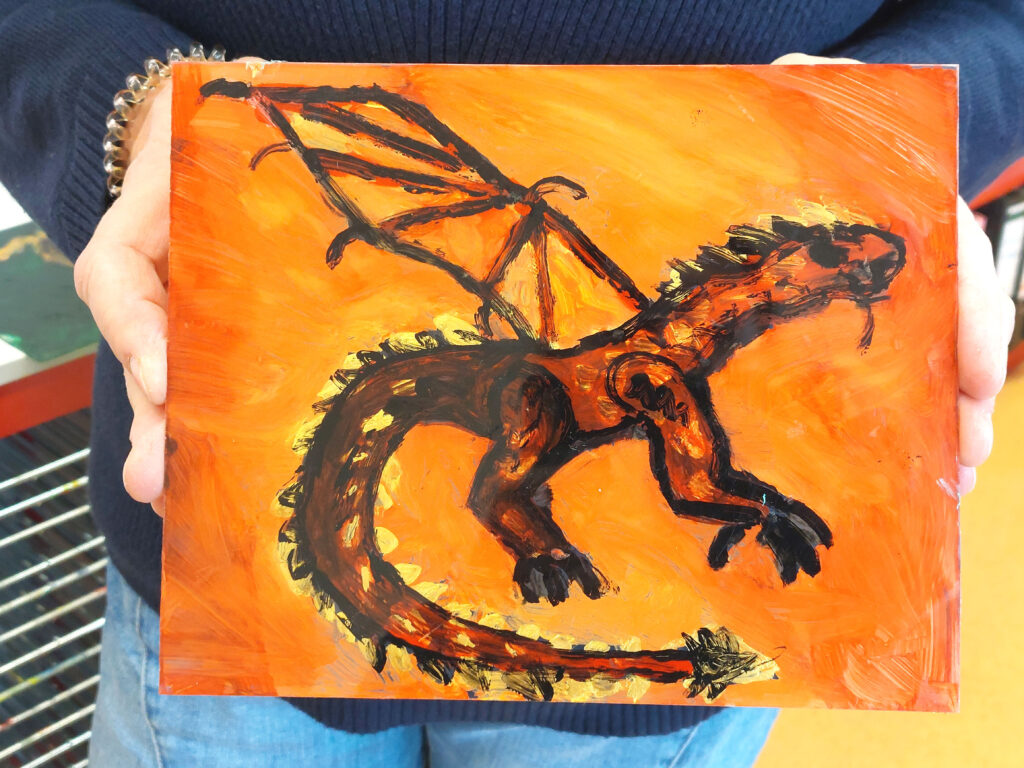
The Year 4 pupils tried out the technique of reverse glass painting and created unique fantasy creatures in advance using ink blot pictures. Glass panes and acrylic paint were used for the reverse glass painting technique. In reverse glass painting, in contrast to the additive painting technique on paper, the first layer of paint is in the foreground and the following layers are staggered behind it. This method of painting requires careful planning, patience when the paint is drying and a high level of concentration. However, the transparency of the painting surface means that the painting process can be checked at any time and corrected if necessary. In the course of the project, a large number of unique extraterrestrial fantasy creatures were created. All pupils created a reverse glass painting, which they took home after drying.
Artistic director: Gert B. Büttner
Kneipp Bad Schmiedeberg Primary School
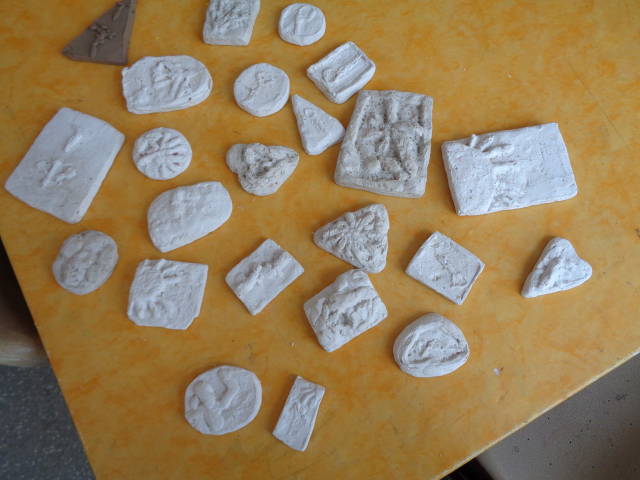
The children drew the motif according to their individual selection. This involved precise observation and working out the specific characteristics of each plant (number of leaves, leaf arrangement, leaf shape and size, etc.). They then began basic sculptural exercises on design and basic geometric shapes. The children formed basic geometric shapes such as circles, ellipses, triangles, squares, rectangles, trapezoids and parallelograms. The motifs were then sculpted into smaller reliefs and plaques. The sculptural results were transferred to plaster and then reworked with watercolors. Here, imagination played a major role in the artistic design. The pupils developed a variety of different works with their own personal signature.
Artistic director: Josefine Cyranka
Sekundarschule J.-W. Goethe Ilsenburg
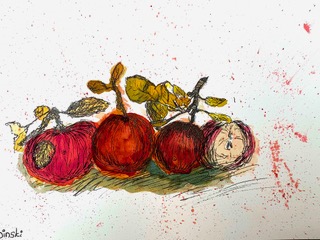
We see red…
Red evokes joy and desire, but also signals danger and anger. Using different graphic means and papers, we draw natural phenomena that illustrate attraction, camouflage and warning. We use this artistic image to explore human behavior in turbulent times. The trout, Ilsenburg’s landmark, has been on the Red List since 2024, giving us an opportunity to talk about it while drawing.
Artistic director: Anne Deuter
Nietleben Primary School
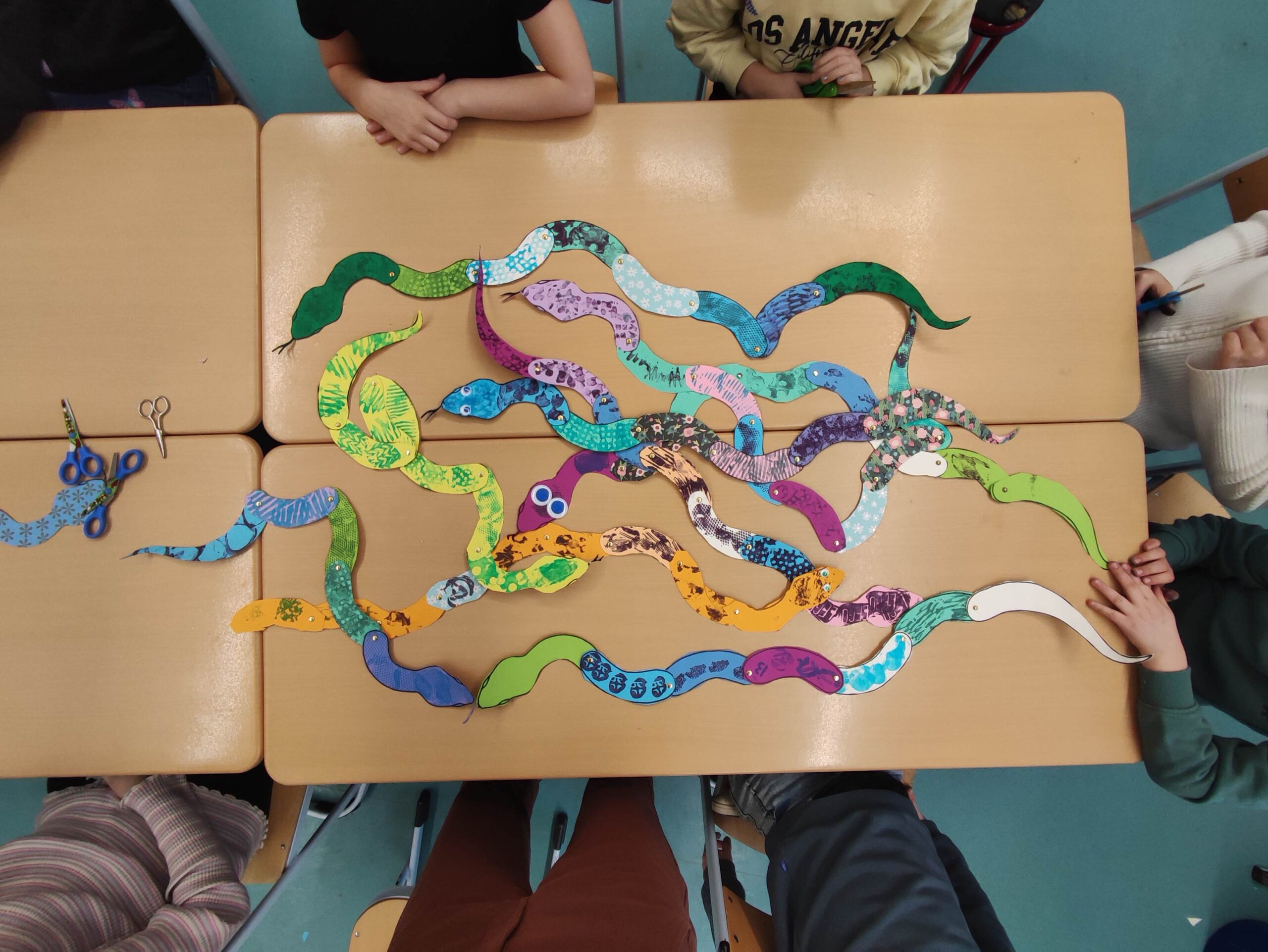
SCISSORS, SHEETS AND ANIMALS
During the winter vacations, 12 pupils from first to fourth grade at Nietleben elementary school spent three days exploring paper folding and design, as well as bookmaking – wild, funny, cheeky and beautiful!
A book doesn’t always have to be thick and full of letters. In the end, our books were filled with feelings. Colors and faces were assigned to the different feelings on the pages of the booklet. Each child could decide individually which feelings should be visible in the book. Then it became animal-like. Animals with movable limbs can be created on paper using pattern clips. This resulted in a spider with 8 crawling legs, a seal with a wriggling fish in its mouth and a colorful koala.
Artistic director: Mariella Gänsewieg
Riesenklein Halle Primary School
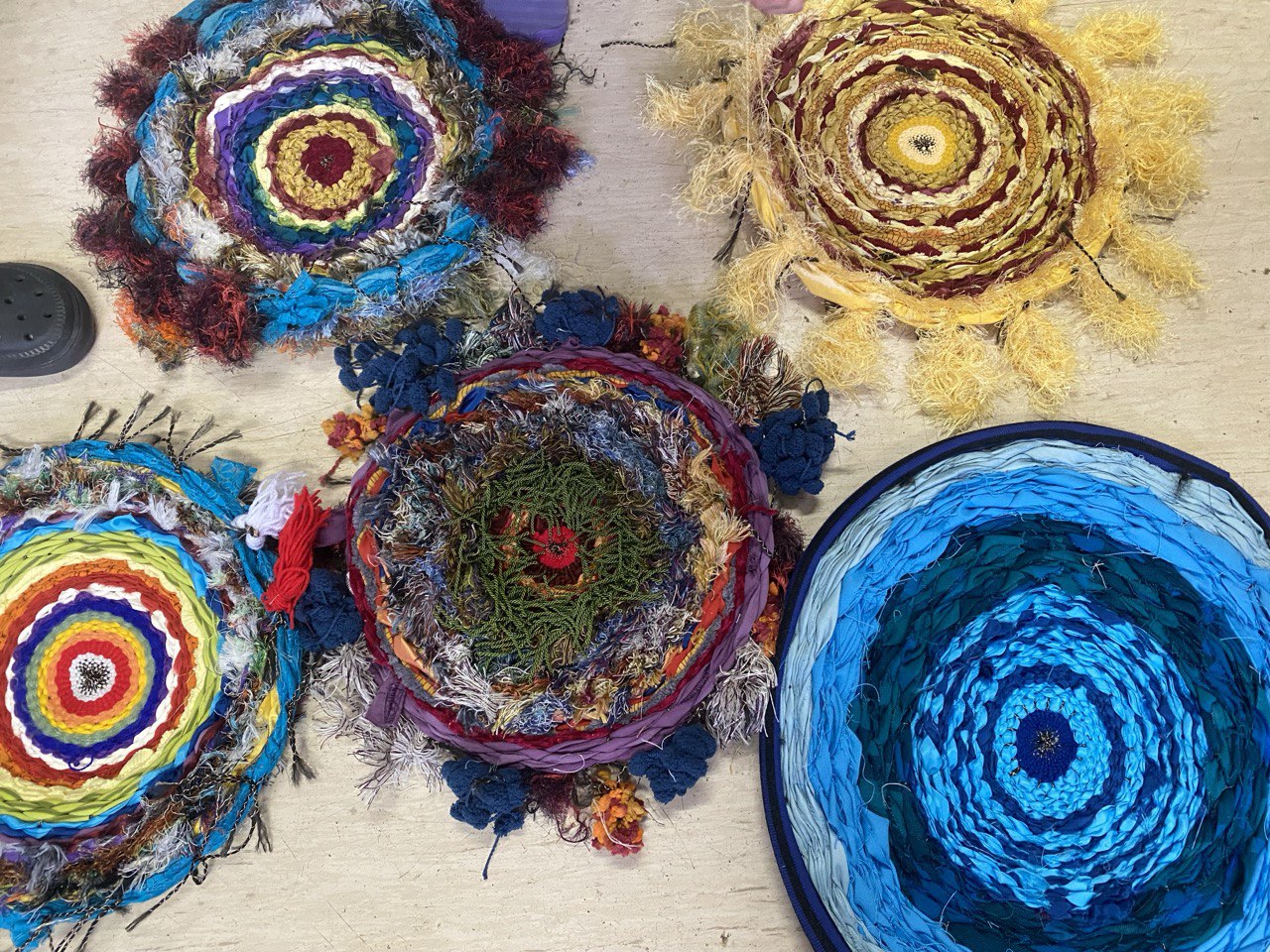
In the “Artists in Schools” project, ten children from Riesenklein elementary school transformed everyday materials into vibrant textile art. Over four intensive project days, they rediscovered the craft of weaving and created colorful carpets on bicycle rims. Old T-shirts, bed linen and fabric remnants were turned into unique pieces that combine sustainability, imagination and craftsmanship in a creative and expressive way.
Artistic director: Katharina Günther
Großörner Primary School
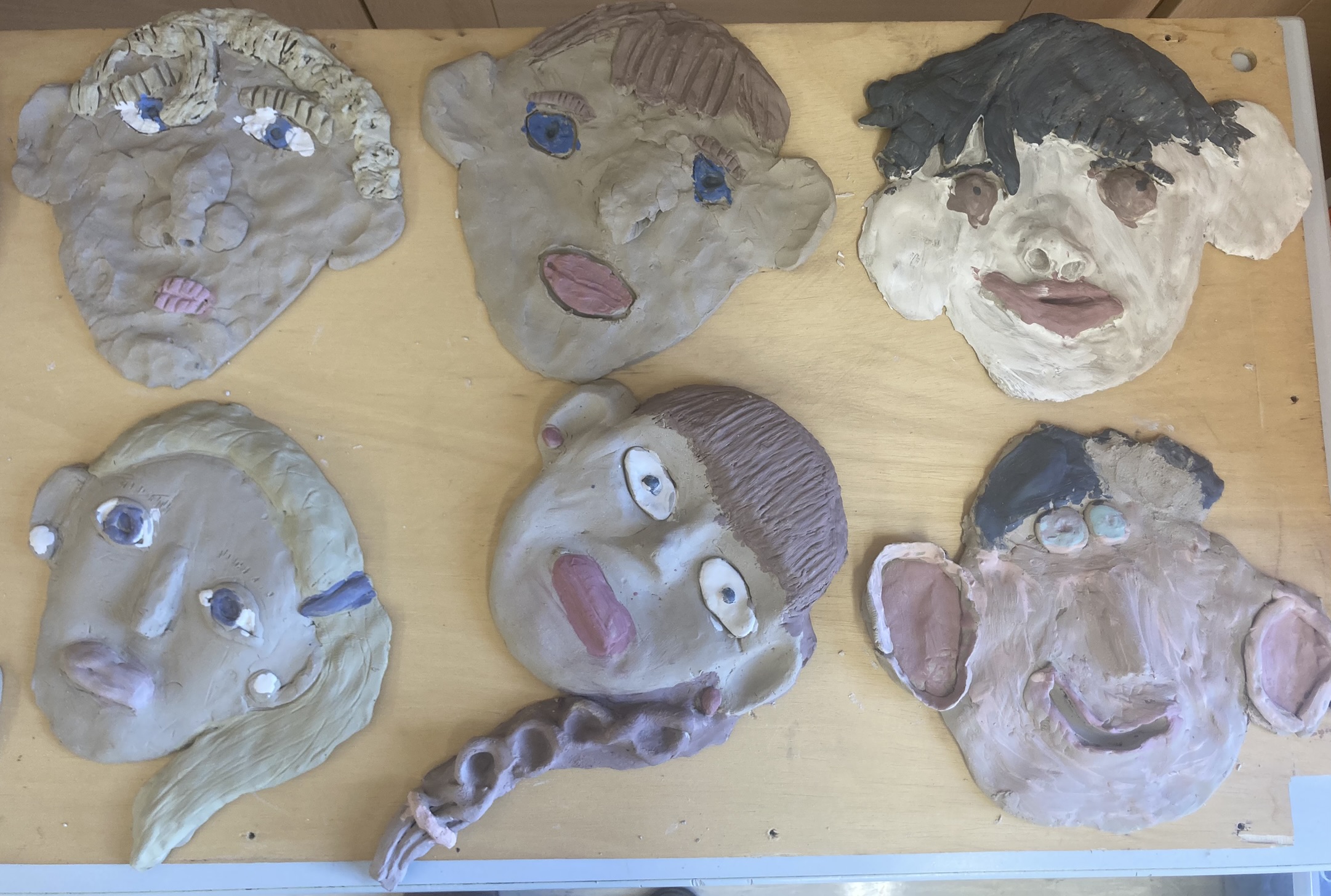
On two project days, the pupils in Year 4 at Großörner elementary school drew portraits of each other. First, they explored each other through drawing. What shape of head, ears, eyes, nose, mouth and hairstyle does my counterpart have? What is striking? To loosen things up, they were able to recreate the other person’s face through an acrylic glass plate with paint and then print this painting on paper. At the end, the children modeled these heads in clay and gained their first experience in sculpting them. After the firing, the clay portraits will be installed on the schoolyard wall.
Artistic director: Laura Hanisch
Hutten Halle Primary School

For three days, the classroom was transformed into a vibrant printing studio. The focus was on the design of this year’s graduation newspaper – a project that went far beyond simply capturing memories and offered the children space for real artistic autonomy.
The first two days were dedicated to pure experimentation. Using gel plates, rollers and acrylic paints, the pupils explored the magic of printing money. They layered, structured and boldly played with shapes, then stamped and drew. Chance became an ally in the process: Overlapping colors and textures created a visual depth that would have been almost impossible to achieve through pure planning. An atmosphere of infectious cheerfulness prevailed amidst the splashes of color and rolling noises – shared laughter was the constant companion when discovering one’s own creative handwriting.
The decisive step of sifting and merging followed on the third day. The children curated their favorites from the resulting flood of unique pieces to compose them into individual portrait pages. A project that shows how much expressive power there is in the playful communication of contemporary printing techniques.
Artistic director: Heinrich Herbrügger
Jeetzeschule Salzwedel
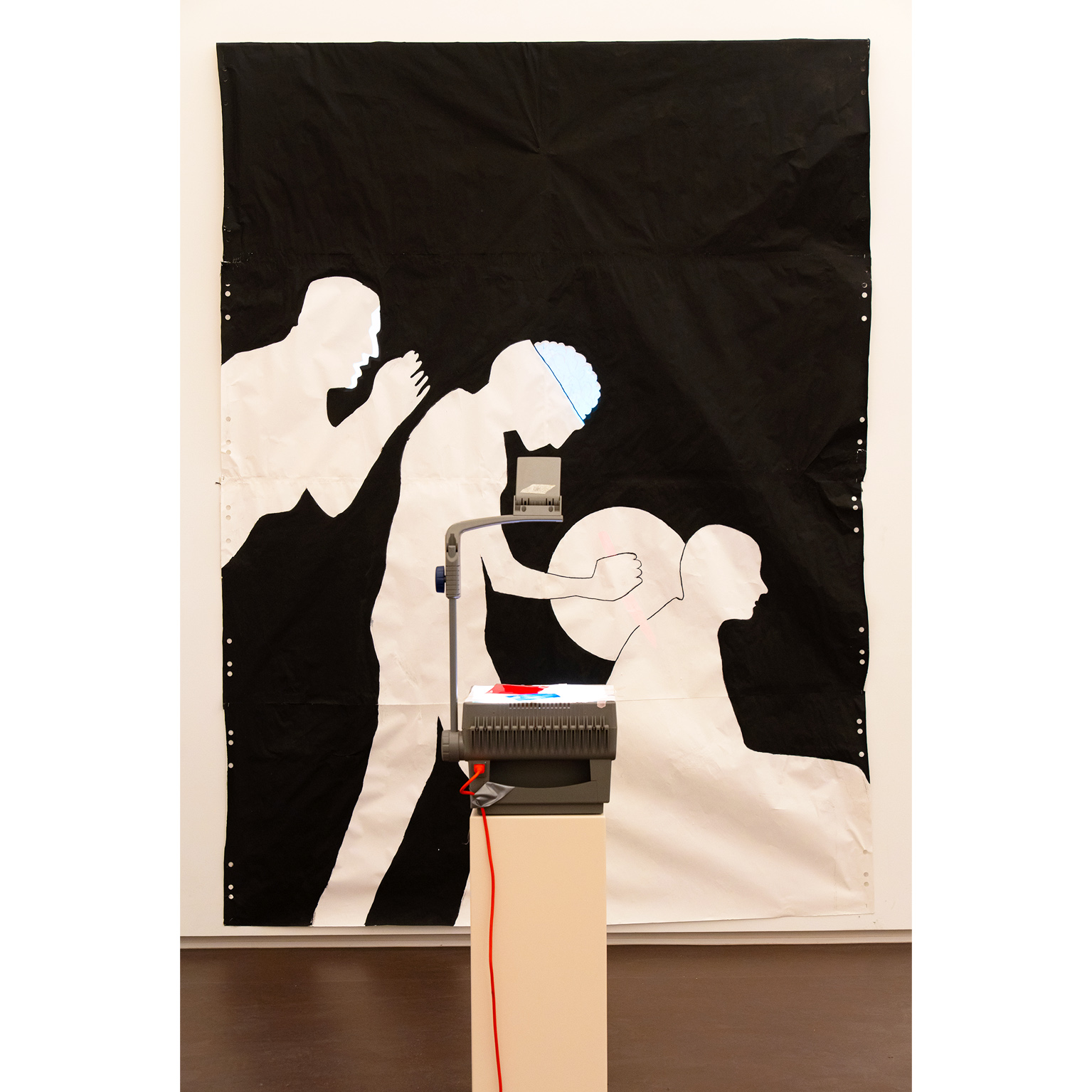
For the art project, the two 9th grade classes of the Jeetzeschule set up shop in the Kunsthaus Salzwedel and went deep into the creative process. It was the Yamuna and Mondego classes who created artistic works in the fields of photography, painting, sculpture/figure and drawing under the working title “KunstRechtFrei”. The final title of the art project “KUNST ENTFESSELT” was developed and chosen by the pupils themselves in a democratic process.
Artistic director: Jan Herzog
Evangelische GS “Martin Luther” Oppin
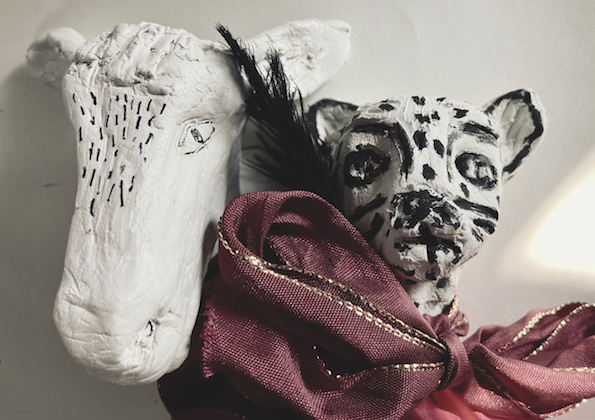
The character head
Heads and stories are created on the page, as well as in the children’s heads. Through drawings, sketches in ink and colored pencil, modeling in clay and painting with engobes, the first sculptural experiences are gained. Countless little oven spirits are created. Colorful, powerful stories are behind every small sculpture and give children free access to artistic narratives and their first experiences in sculptural design.
Artistic director: Rebecca Hilser
Bad Kösen Primary School
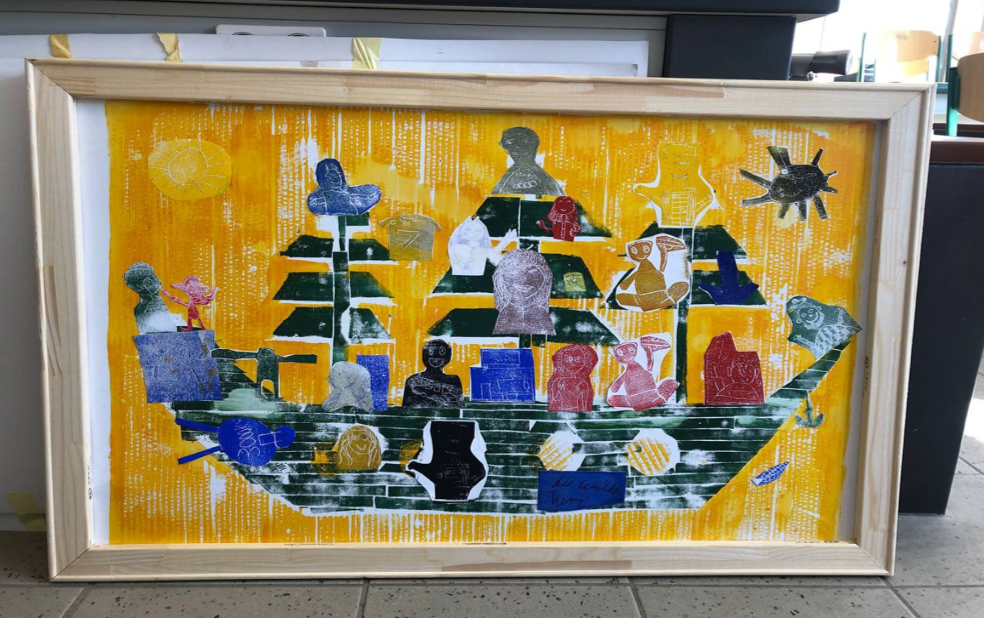
Together on board
As part of the “Together on board” project week, grades 3 and 4 explored the technique of cardboard printing. The pupils experimented with different color combinations to create their own individual print. The class designed a boat and chose the colors together with their classmates. They also printed personal items that they wanted to take with them on the journey. At the end of the week, the boat was assembled together and the children creatively placed themselves on board to create a joint work of art.
Artistic director: Anett Hoffmann
Wansleben am See elementary school
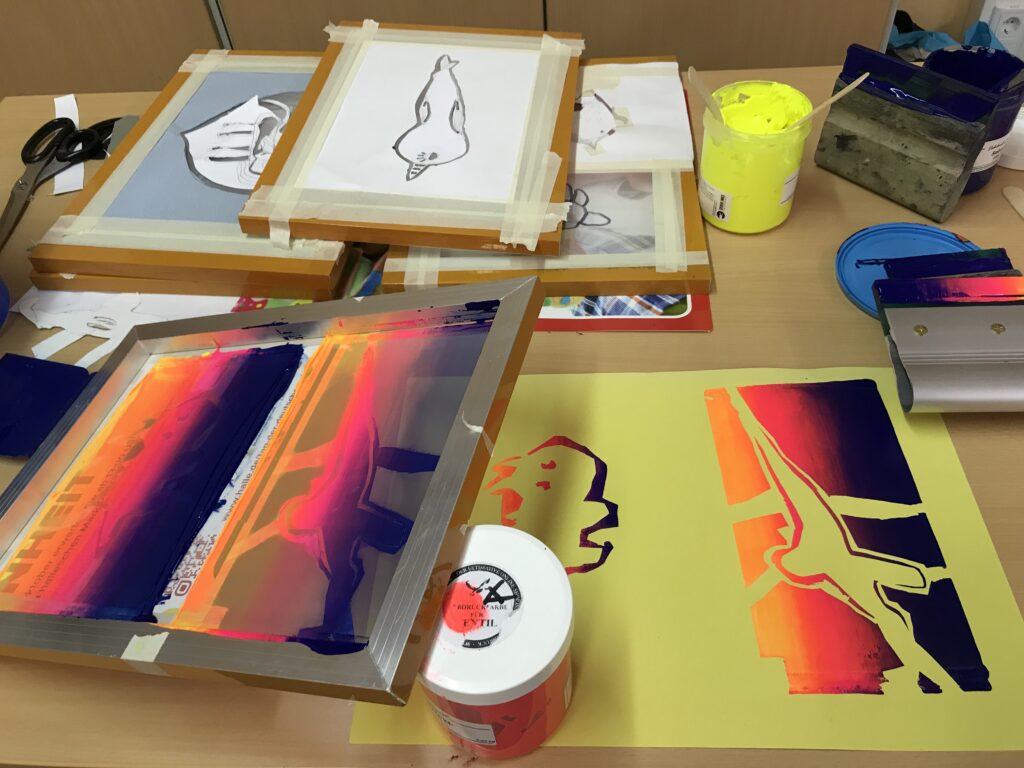
For the stencil screen printing, each child (2nd-4th grade) designed their own fantasy animal. The stencil (paper/foil) was created by cutting out (scissors/cutter) the drawing. Careful observation and examination of the motif required and encouraged patience, fine motor skills and imagination. We printed color gradients with self-mixed colors on paper (A4-A3) and the children happily marveled at their works, which they labeled with their name, the title of the abstract animal, technique and date.
Artistic director: Silke Hönig
Salzmünde Primary School
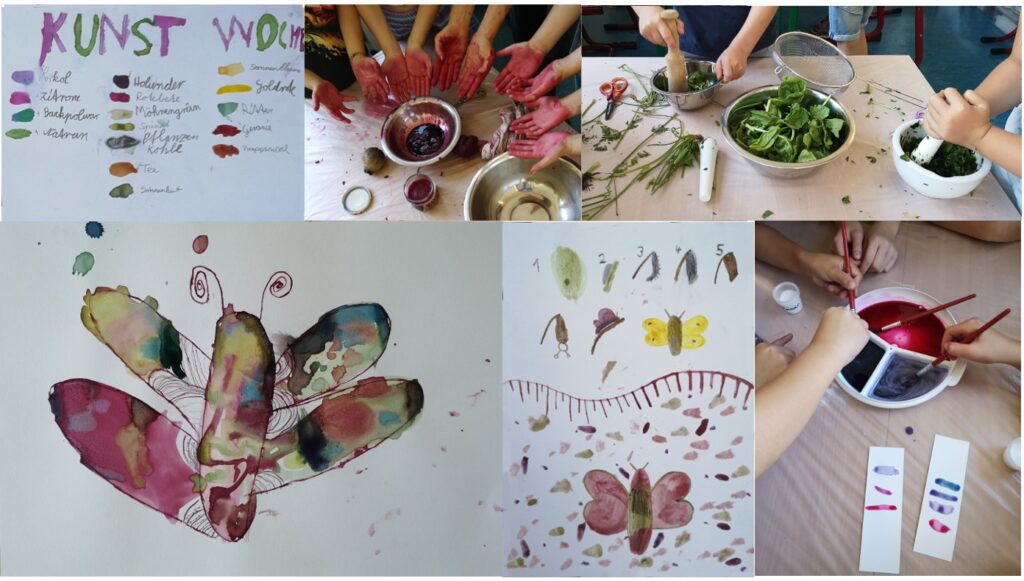
Butterflies – the magic of transformation
On three project days, Year 3 pupils explored the coloring effect of flowers, leaves, vegetables and berries. They extracted different shades of color from the plants and then experimented with different additives to produce other shades. The plant sap colors were processed into tempera paint and watercolor paint for painting. A variety of creative pictures were created on the theme of “Butterflies – the magic of transformation” using different painting and printing techniques.
Artistic director: Dorit Kempe
J.G.-Borlach- Gesamtschule Bad Dürrenberg
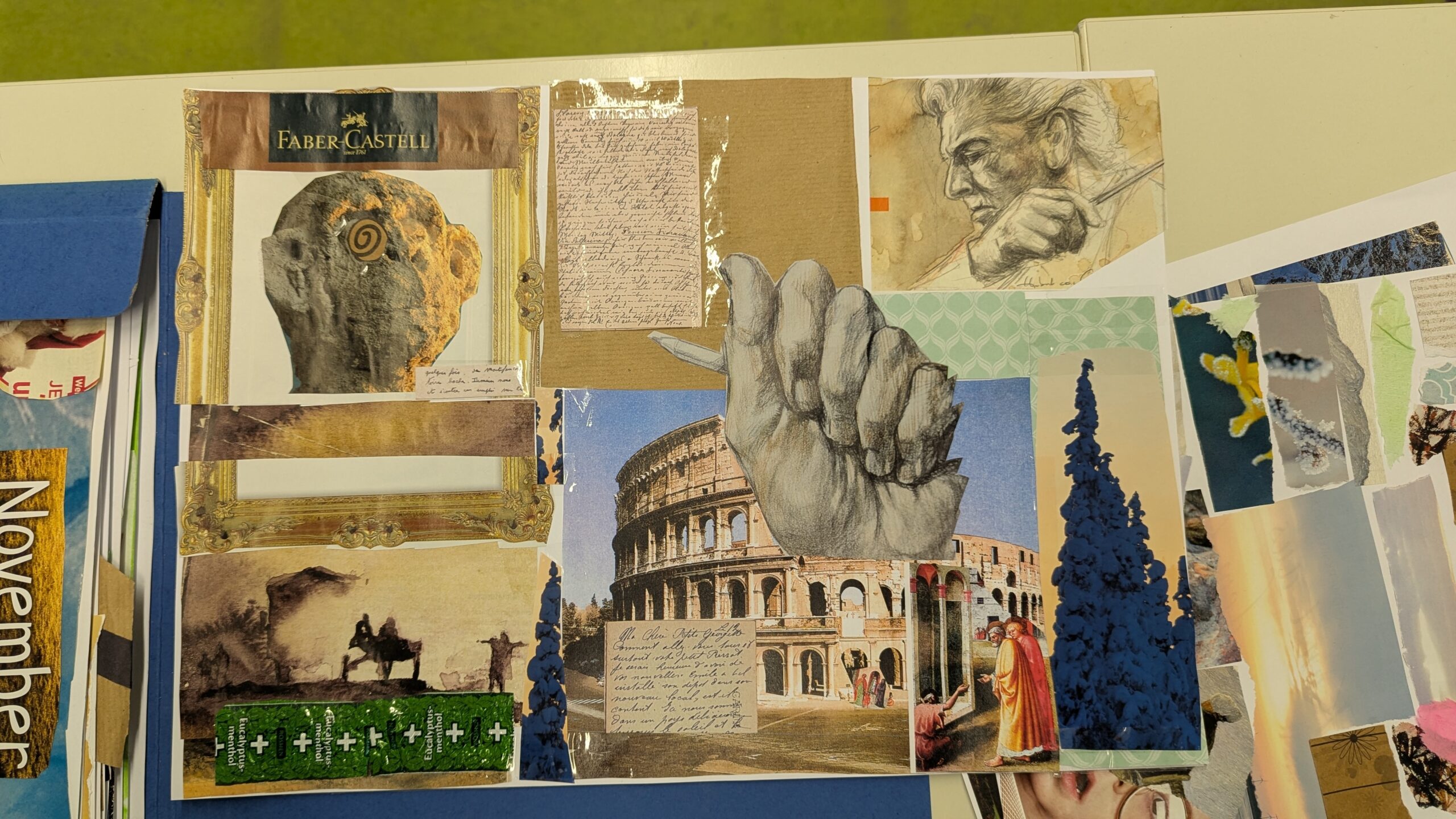
Over a total of 6 days, the pupils in year 10 at the J.G. Borlach comprehensive school in Bad Dürrenberg created collages on the subject of landscape. After a short introduction to the topic of collages and landscape, the students had the opportunity to realize their own ideas on this topic using various materials. In this project, I tried to give the pupils as varied a view as possible on the subject of landscape and to encourage a playful approach to the subject and materials. The result was many imaginative and magical landscapes with remarkable ideas and thoughts.
Artistic director: Alica Kheat
Grundschule Salbke Magdeburg
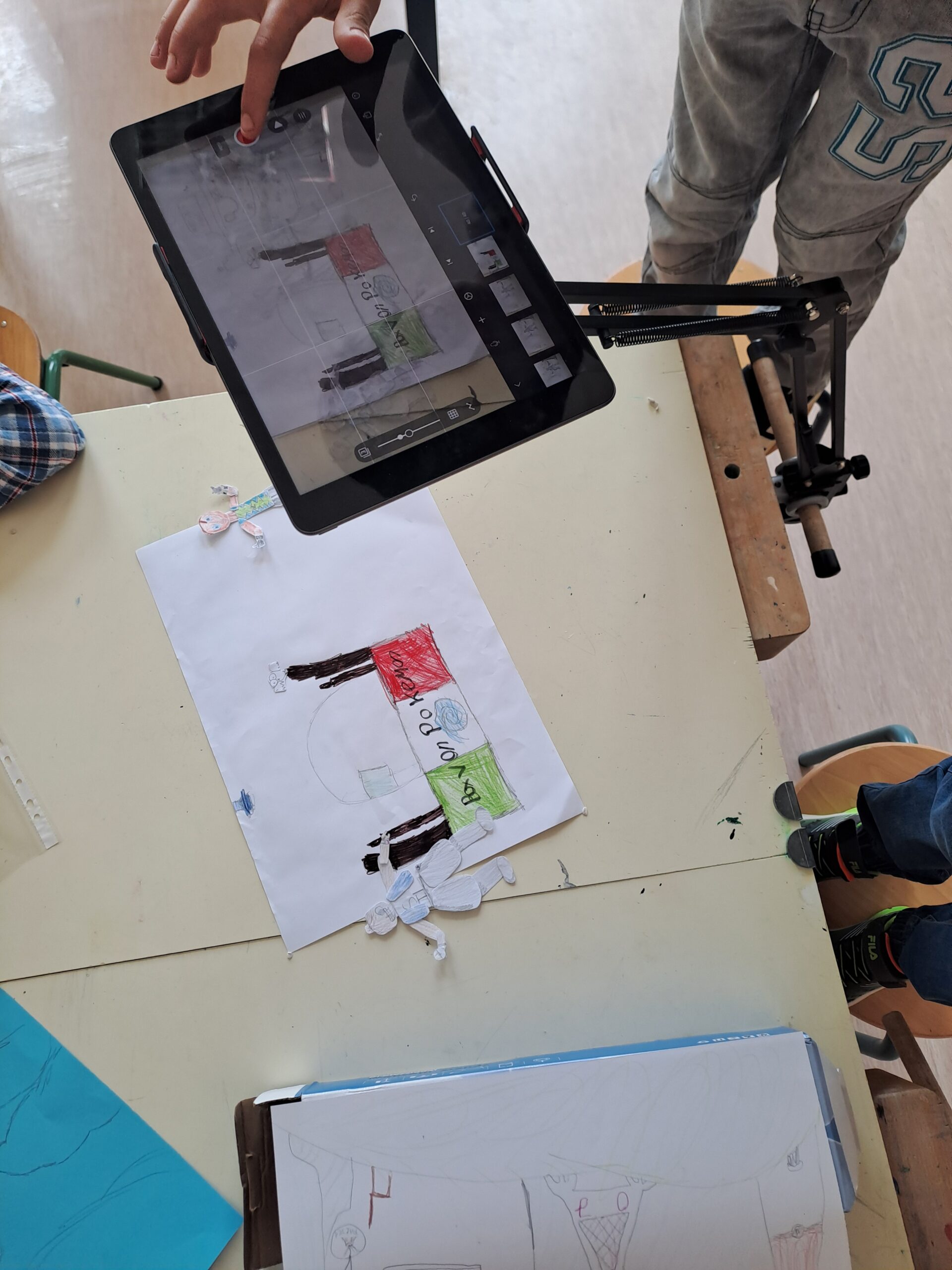
In the “Animated film workshop”, children from the 3rd grade of the Salbke elementary school in Magdeburg were able to design and produce their own short films in small teams. During the 3-day workshop, we planned, tinkered and tried out everything from the basic principles of storytelling and character development to the production of props and filming. With a lot of creativity and patience, we ended up making 4 short films that we were able to present to the class together.
Artistic director: Ulrike Kirchner
Gymnasium Leucorea Wittenberg

The aim of this project was to draw and paint together and ultimately compose two 10-metre-long picture panels as a group. “Man and nature” was the theme that inspired the young people in grades 8-12 to develop symbolic and striking forms from the plant and animal kingdoms and combine them with human portraits in a whimsical and surreal way. The young people’s statements combined seriousness and humor, as well as feelings of fear, joy and worry.
The paper backgrounds were painted, printed or splattered and color-coordinated. The black, strongly contoured drawings were then transferred onto them in different sizes, sometimes by projection. Thanks to additional financial support, it was possible to scan the images, print them on film at a scale of 1:2 and mount them on 1.30 x 1.00 m aluminum Dibond panels. These panels can now be seen in public as an open-air gallery on one of the five metal walkways on the Bunkerberg in Lutherstadt Wittenberg.
Artistic director: Wiebke Kirchner
Förderschule Lernzentrum Halle-Neustadt

A new place for creativity is being created at the Halle-Neustadt special school learning center!
Over the course of three project days, Year 7 worked with artist Wiebke Kirchner to design the ceiling of the future painting room – which now bears the name “Color Island”.
After a joint site inspection and brainstorming session, the pupils decided to design the ceiling as a colourful sky for their “Color Island”.
Sketches and motif suggestions were used to create a design basis, which was implemented using various painting techniques and assemblage elements. The result – a 4 x 4 meter banner – was presented at the grand opening of the painting room and whetted the children’s appetite for their own creative adventures!
Artistic director: Juliette Kolberg
Förderschule “Lebensweg” Bernburg
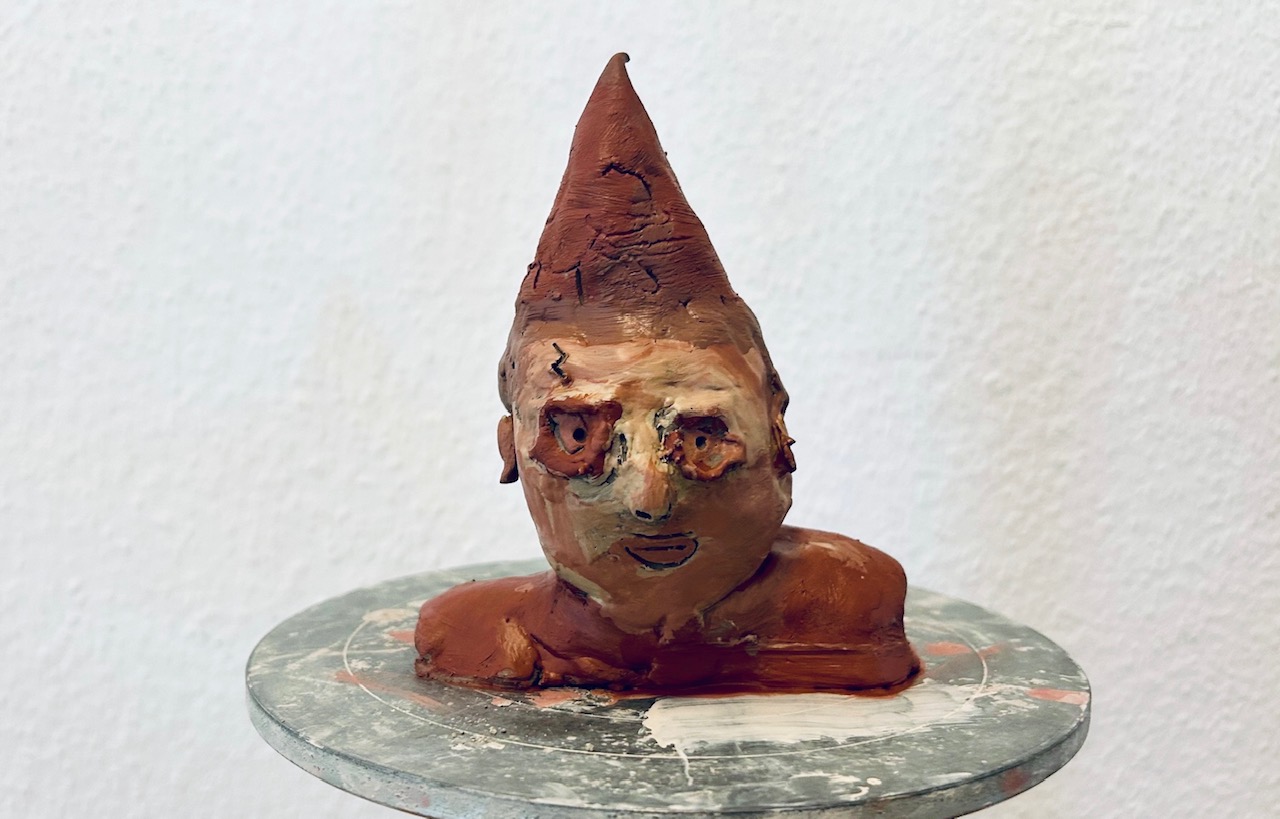
Bust ? For the young pupils of the “Lebensweg” special school, the great challenge of the project was to create a three-dimensional object. With the sculptural realization, the focus was on precise observation and transferring what they had seen into their own form. The material properties of the clay enabled a step-by-step approach and implementation. This made it possible for all participants to create very individual objects, expand their own abilities and previously perceived limits and thus gain new experiences.
Artistic director: Melanie Kuner-Drechsler
Evangelische Grundschule Ilsenburg
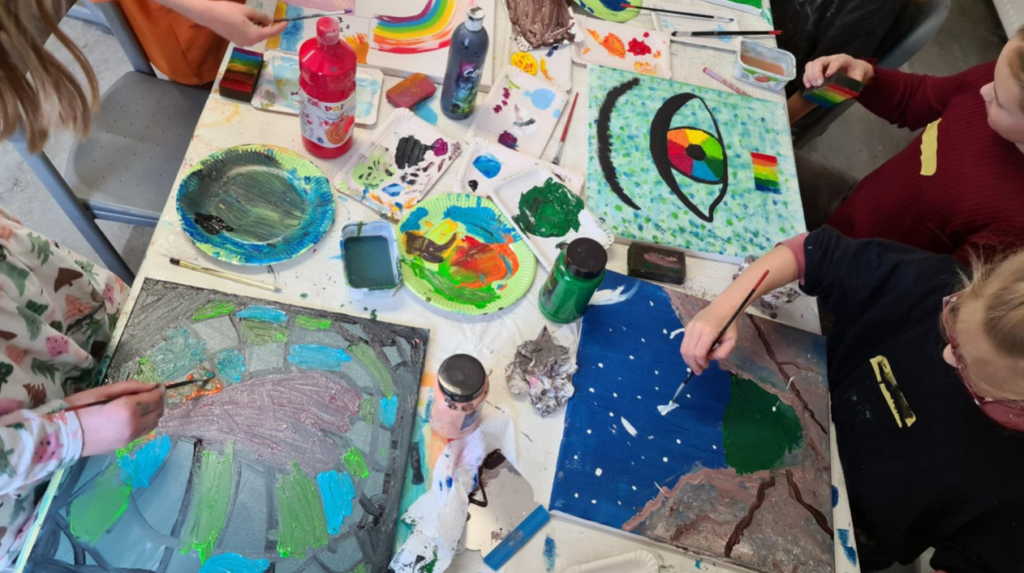
The art project “FARBWELTEN” took place as part of project days at the Protestant elementary school in Ilsenburg. Children from the 3. and 4th graders took part in the project. The focus was on experimental work with color. The children were encouraged to explore colors with all their senses: mixing, layering, dripping, wiping and combining freely. Working with wax painting techniques played a special role, enabling new sensory experiences with materials, surfaces and color effects. The focus was deliberately on the creative process and the individual possibilities for expression. The children developed their own worlds of color, were inspired by each other and experienced art as an open, value-free space.
Artistic Director: Dana Laszló da Costa
Montessori School in Halle
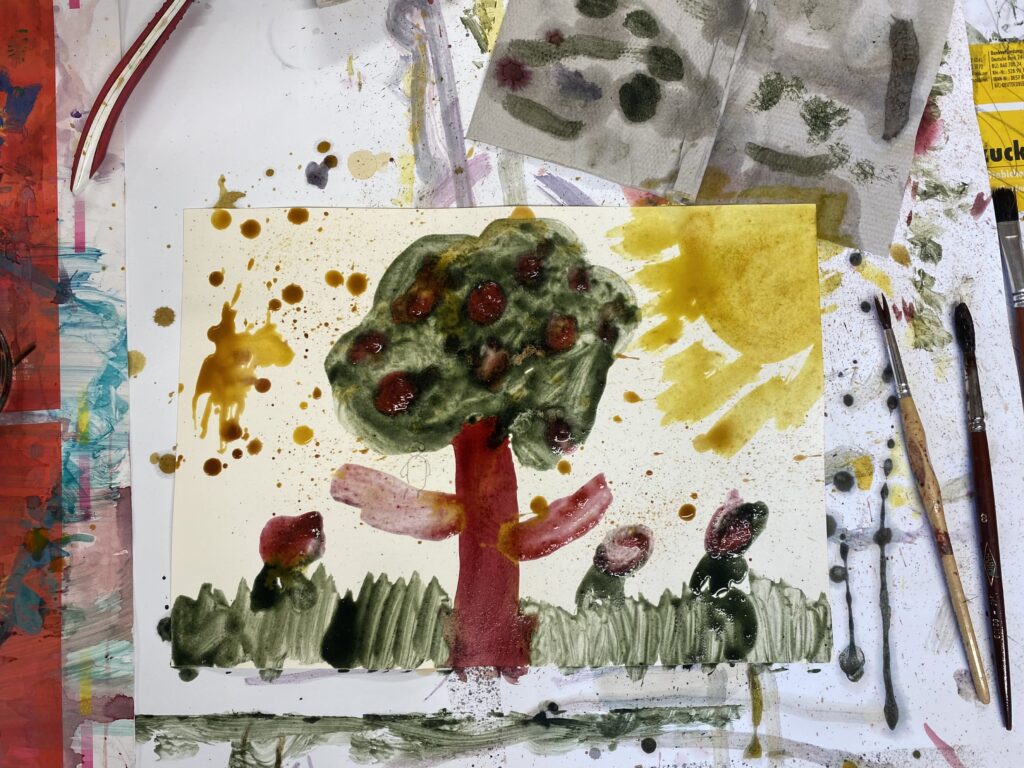
As part of the “Artists in Schools” project, we made colors from plants. In this workshop, which took place at the Montessori School in Halle, the children learned how to make different colors from different plants. Topics such as sustainability and the importance of the environment were covered during the workshop. At the end, after we had made colors from eight different plants, the children were able to try out different painting techniques.
Artistic director: Alexander Lech
Schule am Heidetor Zerbst

As part of the screen printing workshops at the “Förderschule am Heidetor” in Zerbst, the pupils created motifs of their favorite places. To avoid the usual screen exposure process, the screens were prepared with adhesive foil. The motifs were first created as paper stencils and were then transferred to the film and cut out. Finally, the children printed their designs on T-shirts and experienced a complete design process from the idea to the finished T-shirt motif.
Artistic director: ilka Leukefeld
Lakomy Schule Halberstadt
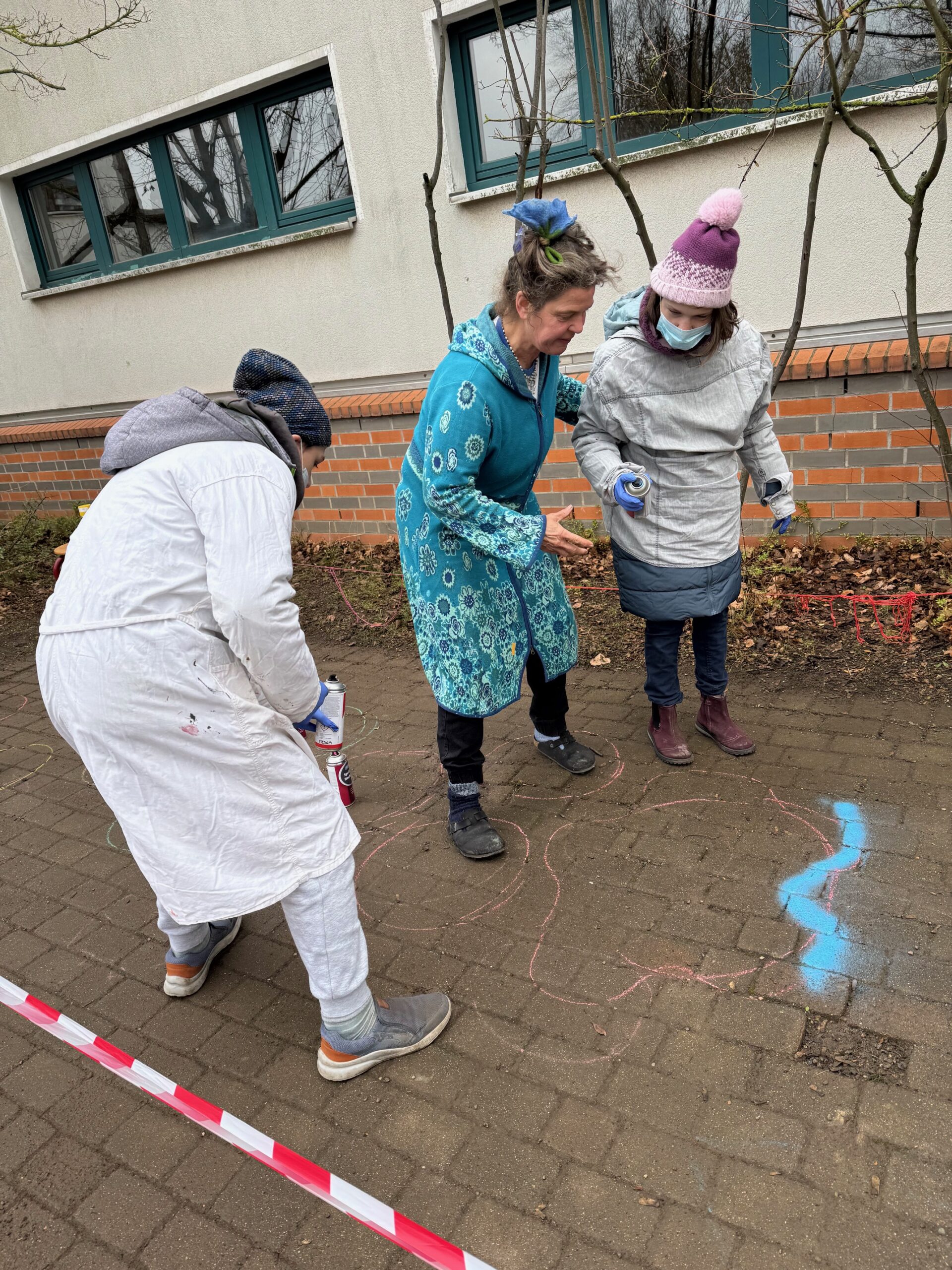
This art project was planned as the second part of the ‘Flags’ project at Reinhard Lakomy School. Several large, wood-colored poles in the schoolyard were available for the students of the two 8th grades to redesign. Drawings of patterns, lettering, animals, signs and other visible elements were made and two paper models of each of the pillars, including painting suggestions, were built. The wooden pillars were sanded by hand and the previously designed ‘tags’ were transferred with the spray cans. Eight wooden pillars now shine colorfully in the schoolyard. All the pupils were enthusiastic and will continue the project in class on canvases. A small exhibition opening is being planned.
Artistic director: Viktor Ludvik
Gymnasium “Thomas Müntzer” Halle
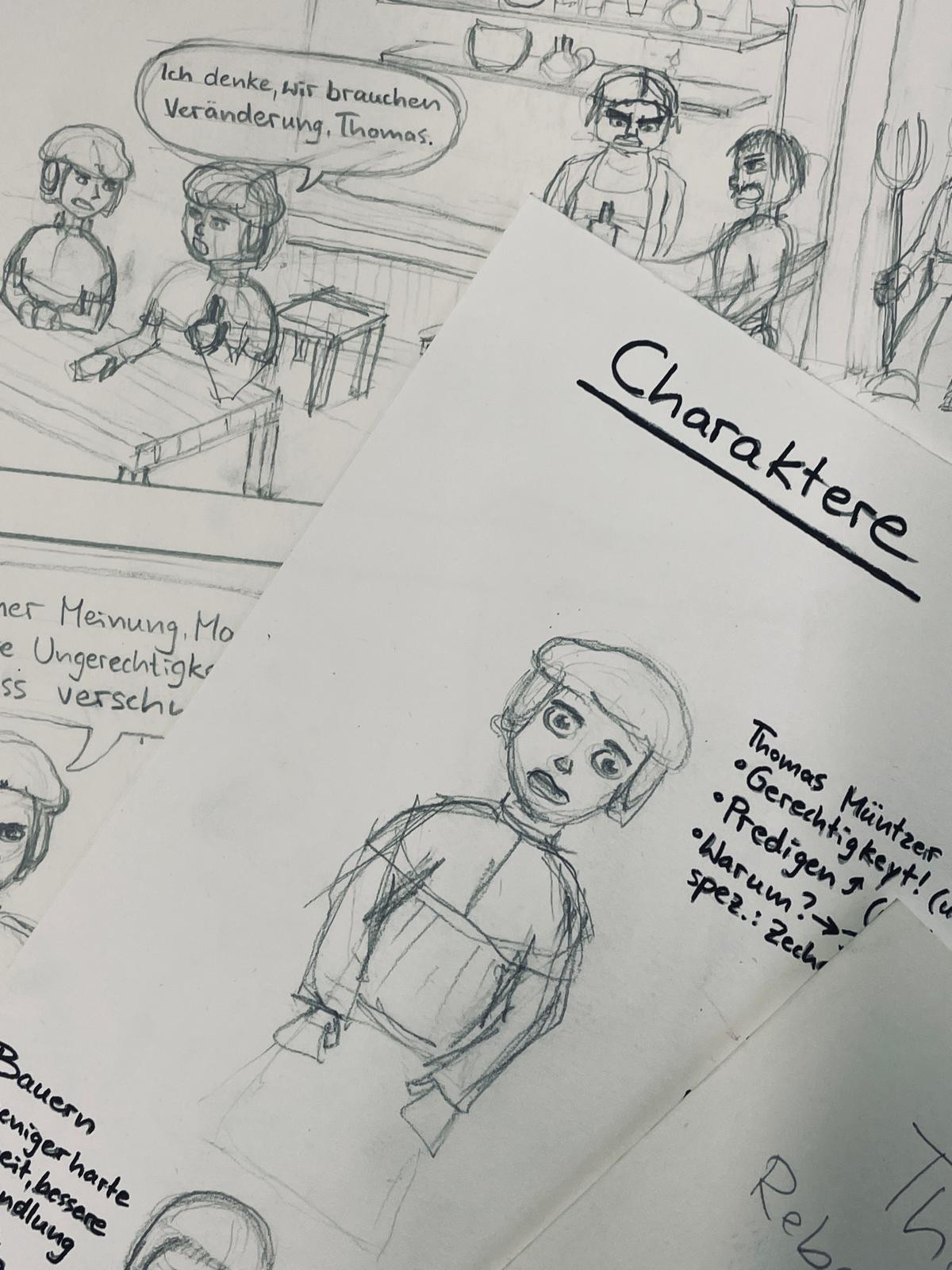
“The drawn revolution – 500 years of Thomas Müntzer”: the anniversary at the grammar school of the same name was the theme of our project week. Using pen and ink, we adapted our stories about Müntzer, Luther and Geyer into comics. Inspiration came from the State Museum of Prehistory. Planning a story, designing the characters, preliminary and final artwork and colouring require good organization on the part of the participants and a lot of courage to experiment. It was an intensive and very creative week in which many very different and unique works were created despite the shared tasks.
Artistic director: Anne Martin
“Ernst Glück” Wettin Primary School
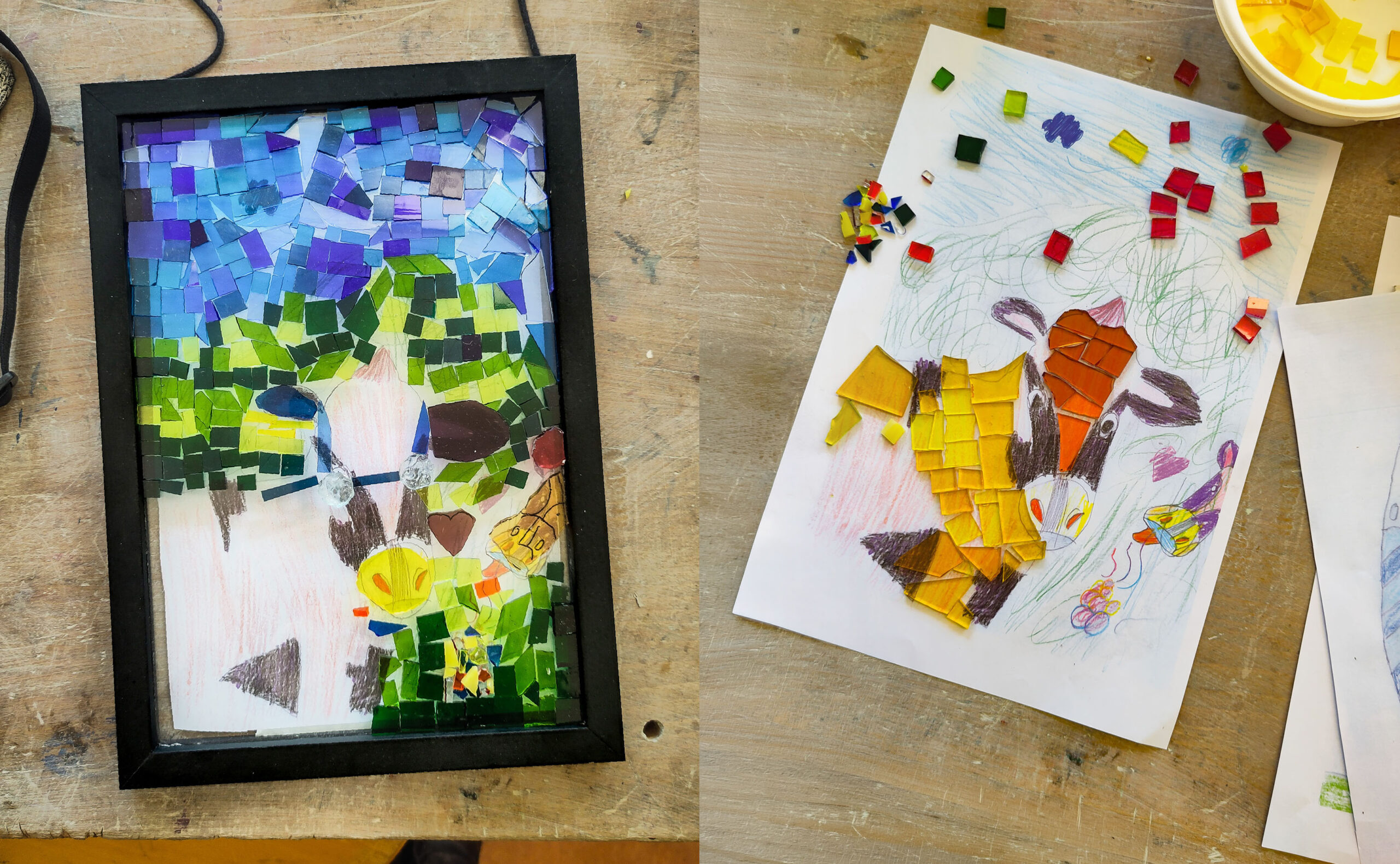
As part of the project days, the children created a light object from laminated broken glass. After an introduction to the material, mosaic techniques and abstract design, they developed their own designs as the basis for their work. They implemented their ideas using pre-cut and partially self-cut glass. Classic grouting material was avoided in order to emphasize transparency, colour and luminosity, so the works were fixed at the end (of each workshop day) with non-toxic casting resin
Artistic director: Sofia Mayer
Grundschule Burg Ummendorf
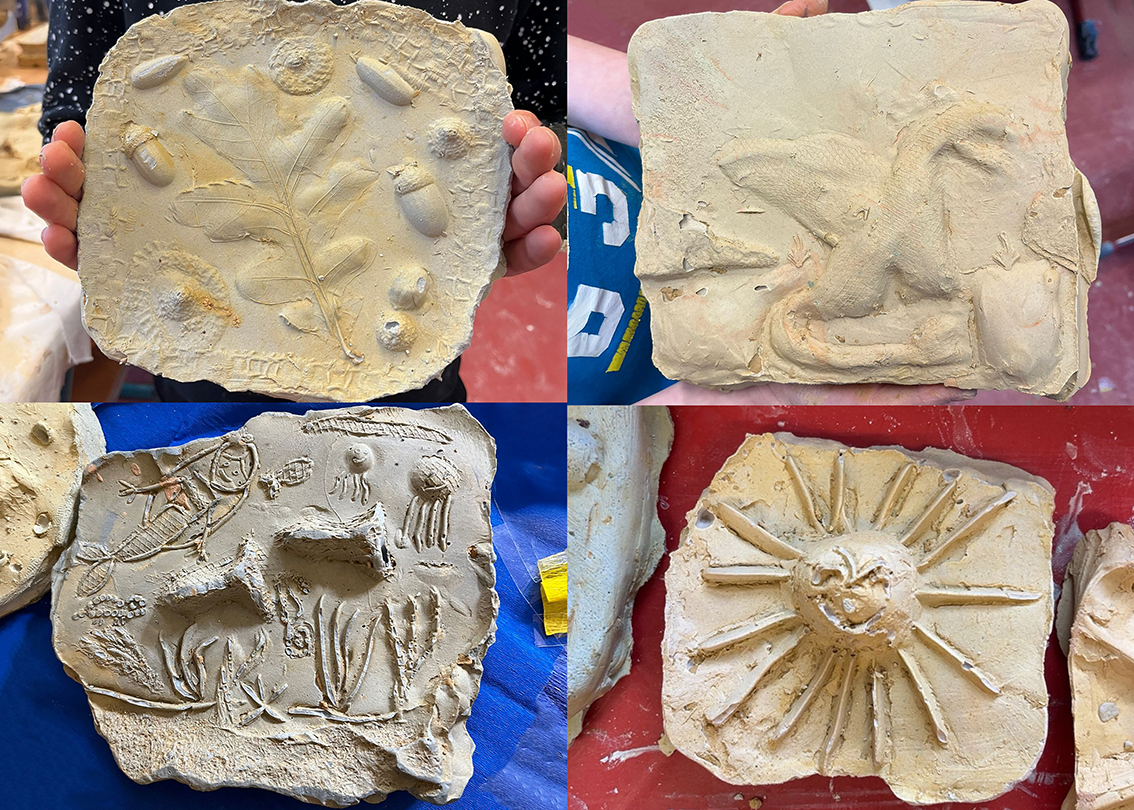
The children in class 3a made plaster reliefs by working on a negative mold made of clay. These images were then molded with colored plaster. They created an autumn relief with impressions from nature, an underwater picture into which they pressed self-made plaster molds and worked a sun out of the clay. All the children were very creative and committed and completed the project with an individually designed relief.
Artistic director: Annekatrin Müller
J. G. Borlach-Gemeinschaftsschule Bad Dürrenberg

A visit to the theater gave the pupils an opportunity to take a closer look at how a play is created.
Above all, how do make-up and costume designers help to emphasize characters and support the work of the actors.
First of all, it was important to clarify different emotions, assign them and work out characteristics. Now the pupils were able to try out their own make-up and masks.
Artistic director: Bettina Müller
Jeetzeschule Salzwedel
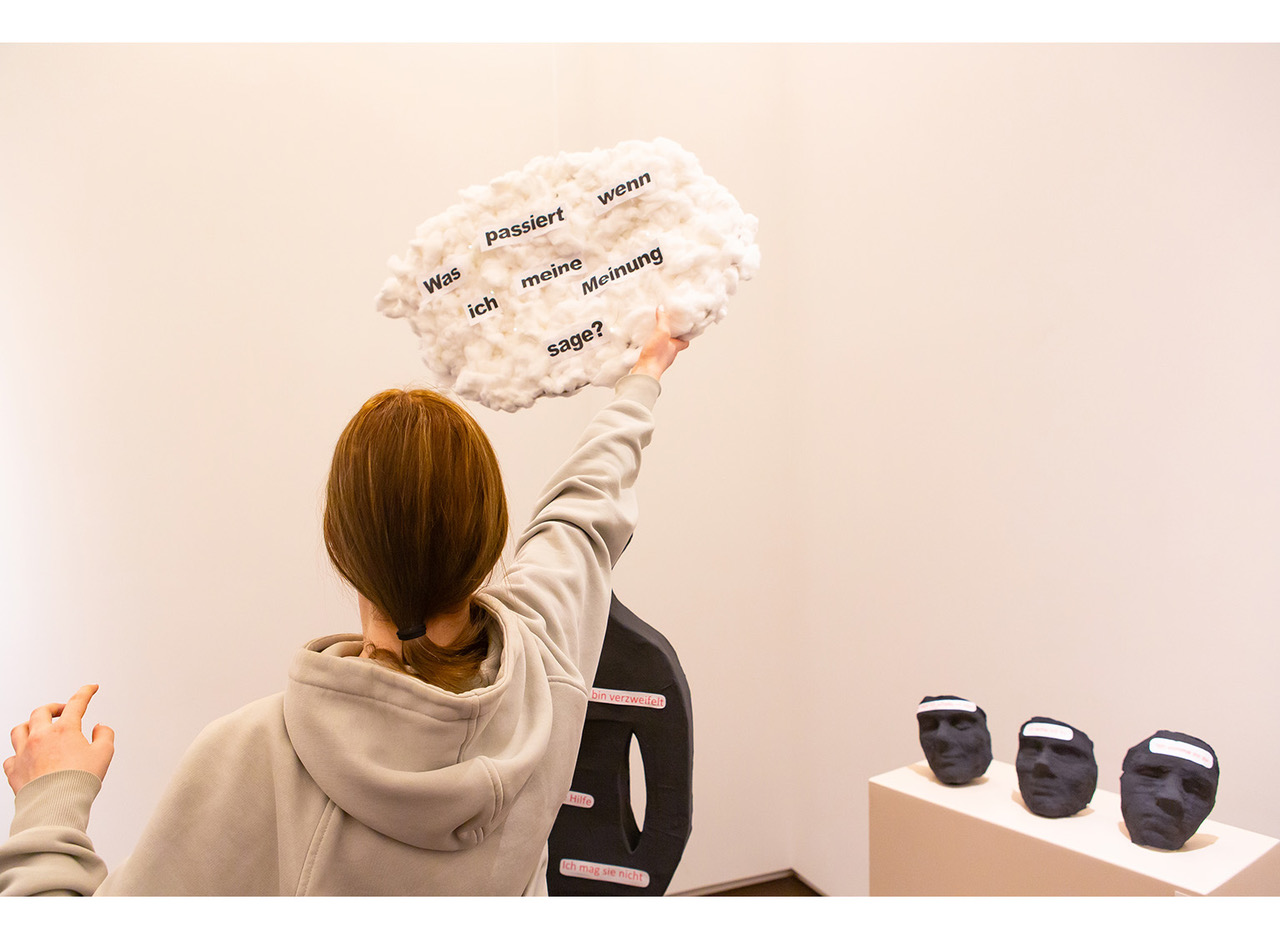
The students of the Jeetzeschule spent 10 days at the Kunsthaus Salzwedel and developed their own art projects on the topics of freedom of expression, human dignity, artistic freedom and personal development. The starting point was the artists in the permanent exhibition Broken Brushes, including Käthe Kollwitz, Otto Dix and George Grosz, but also works by contemporaries such as Ai Wei Wei.
Two documentary filmmakers were also on hand to accompany the individual students’ projects with all their ups and downs. The projects were presented at a large vernissage on March 19 at the Kunsthaus. The artists were accompanied by Heinrich Herbrügger, Nerit Baum (Bettina Müller) and Suse Bohse.
Artistic director: Magdalena Müller-Ha
J. G. Borlach-Gemeinschaftsschule Bad Dürrenberg
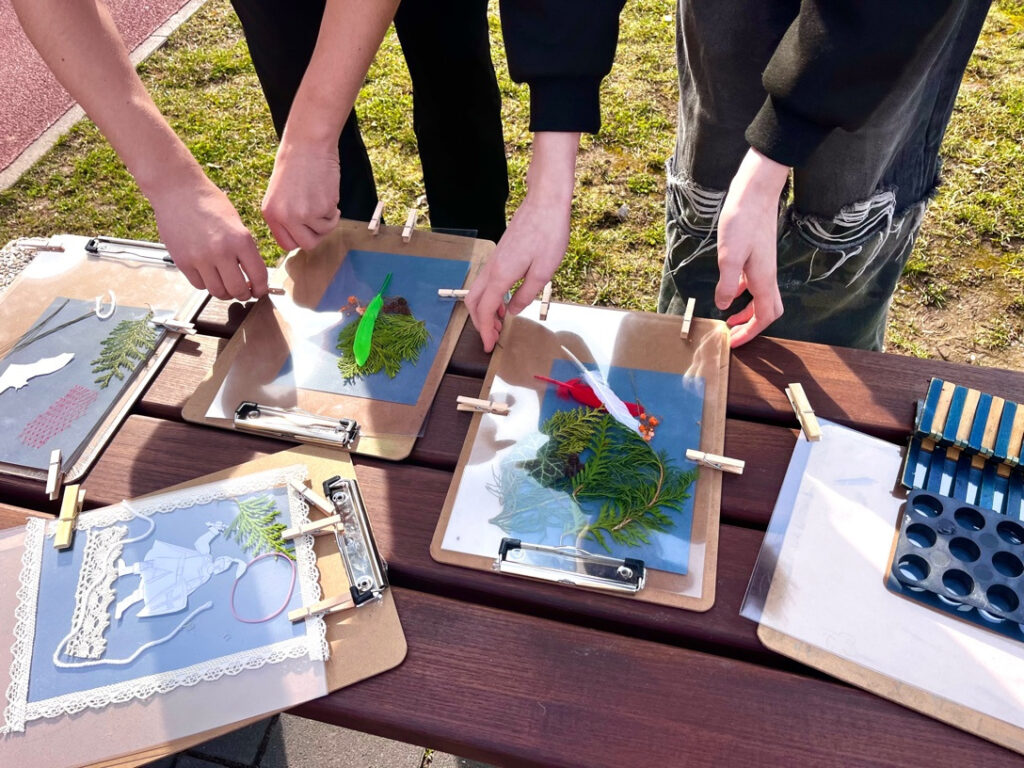
In this project, Year 6 pupils learned about the photographic printing process of cyanotype and created individual and collaborative cyanotypes under the motto “Blue Worlds”. They first arranged their compositions from collected materials; they could optionally integrate their own drawings and lettering. The students then went through the entire process of exposing and developing their cyanotypes. The final step was the creation of a large-format class community cyanotype on fabric, which the pupils developed together in consultation and close collaboration.
Artistic director: Sibylle Mundt
Geschwister-Scholl-Grundschule Mücheln
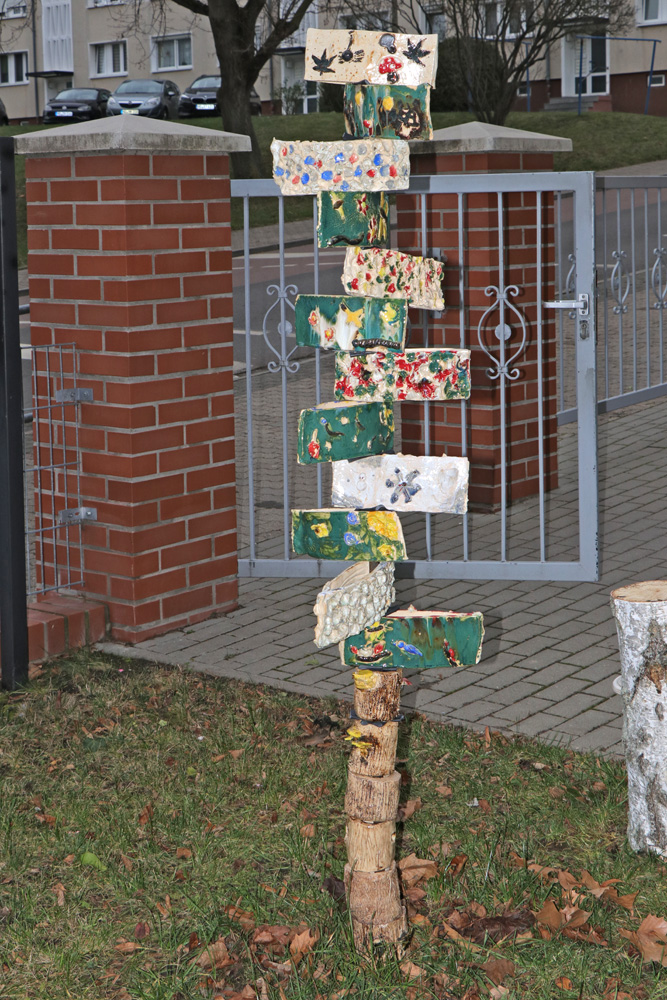
The aim of the project was to design the green space in front of the school building. The theme was the “annual cycle of a tree”. The challenge was to transform a 2-dimensional design into a three-dimensional structure. The children’s imagination, perseverance and fine motor skills in handling the clay were required. Children of the 3. and Year 4 classes worked together on a sculpture. After a discussion and many sketches on the topic – what lives in a tree, what colors are possible and how are they combined in a sculpture – trunk and crown elements were produced, which consisted of reliefs and were joined together. This resulted in many ceramic bodies, which were painted with glaze after the first firing and fired again. The elements were then arranged on a rod.
Artistic director: Marion Münzberg
Förderschule (LB) “Pestalozzi” Dessau
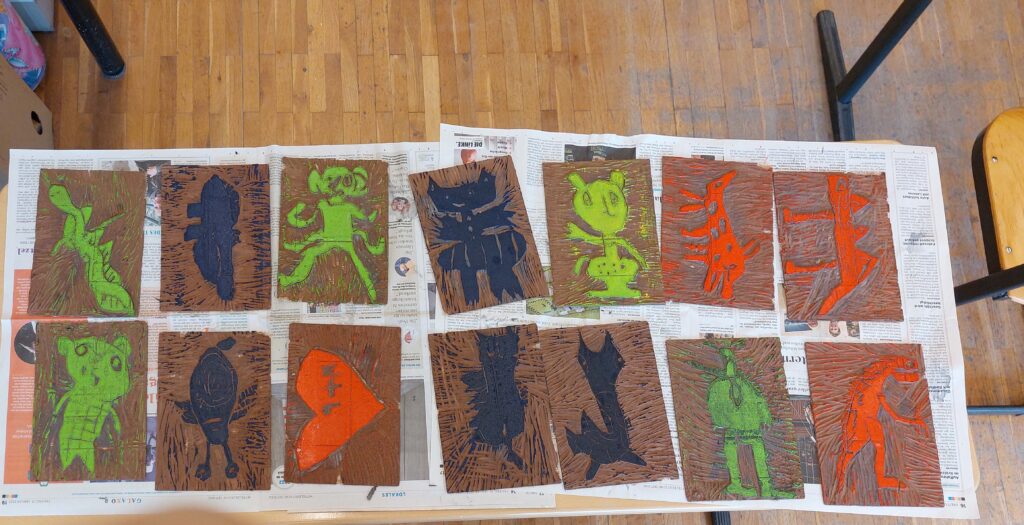
The 13 pupils in Year 5 worked on the topic of “marsupials” over 4 project days. The aim was to try out a new printing technique, the linocut.
In the first part of the project, the pupils developed mythical creatures from their imagination. The next step was to create the individual print motifs from the detailed drawings. They learned to abstract, to work in full format and to think in mirror images.
After transferring the sketch to the A5 linocut plate, the further processing of the printing plate was explained and the safe use of the linocut knives was practised.
The pupils eagerly awaited the first test print. Each pupil printed a bag for the project presentation in the school display case. Later, the motifs appeared on a cloth bag and on their own T-shirt. This involved interdisciplinary work with home economics lessons.
Artistic director: Christian Nebel
Grundschule “G. E. Lessing” Halle
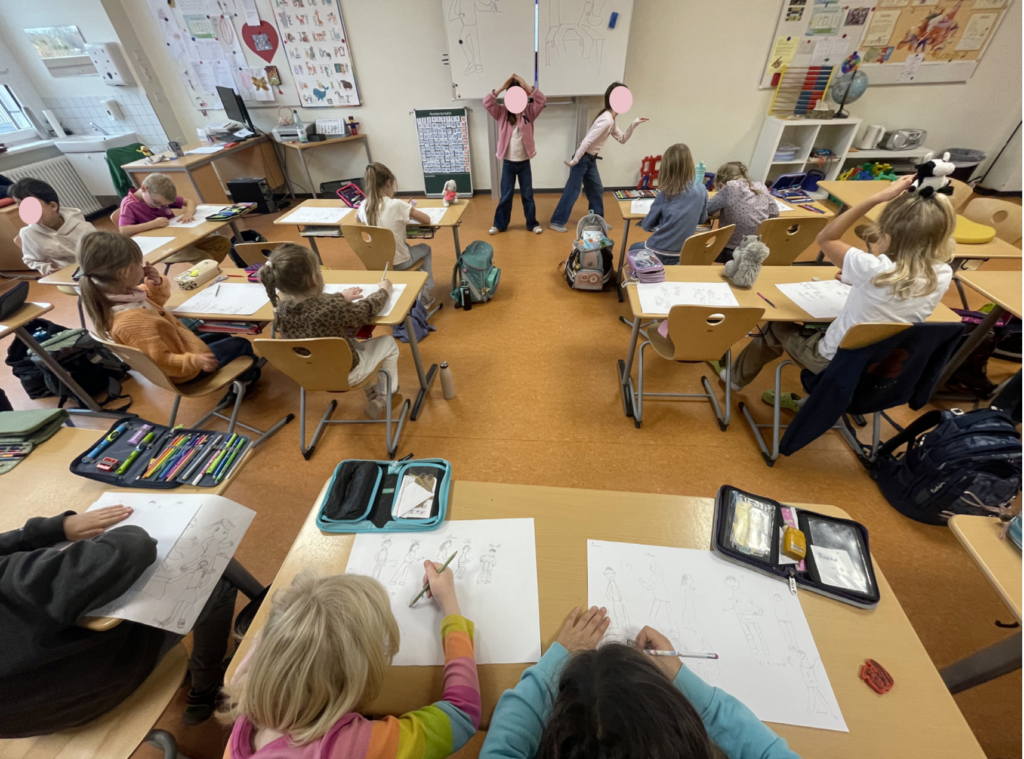
As part of an intensive collaboration with the 2nd graders, we developed a variety of techniques and concepts in a creative and sustainable artistic week. Over five days, the children developed their artistic skills and expanded their understanding of color, perspective, human anatomy and movement. The children learned color techniques, perspective, anatomy and movement studies, which greatly enhanced their artistic skills. The shadow play at the end in particular illustrated the interplay of light and form.
Artistic director: Tobias Nerger
Burg Gymnasium Wettin
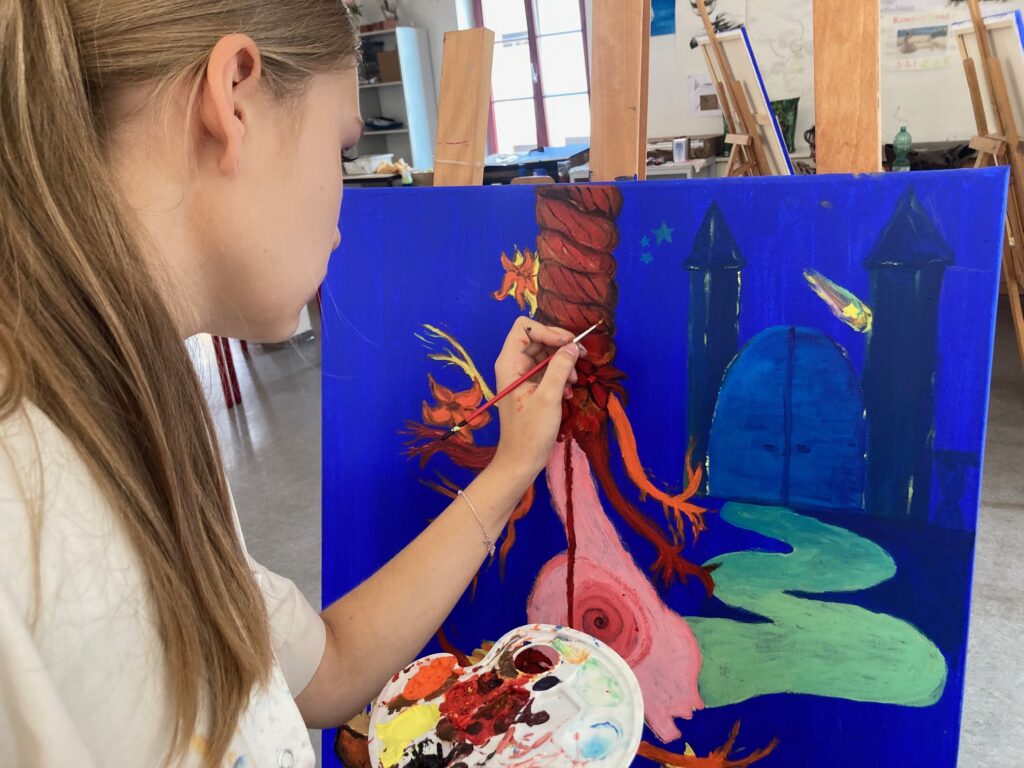
The theme of this year’s project week was a cooperation with the Heinrich Pera Hospice in Halle. A representative of the hospice first gave a gentle introduction to the topic “Between finiteness and immortality” and answered questions from the pupils before the individual project groups were formed. Once the designs had been sketched out, the next step was the stereoscopic, painterly implementation using acrylic paint on canvas, the results of which could be viewed spatially using special 3D glasses. A traveling exhibition is planned at the hospice and in the city library.
Artistic director: Friedericke Nottrott
Förderschule mit Ausgleichsklassen “Janusz Korczak” Halle
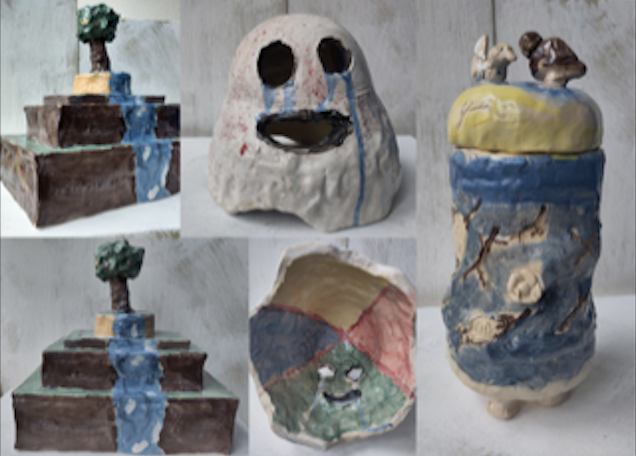
Working with the ceramic material is a relaxing and uncomplicated activity in which you can quickly experience success even without experience. It was wonderful to see how the children moved from their initial skepticism and sometimes almost aggressive aversion to making and thus to the joy of working with clay. The ceramics workshop can be a good way to redirect frustration about everyday school life in a positive direction – by creating small works of art. So they created trophies – shiny symbols for our greatest moments. Trophies for sporting triumphs, for personal milestones and for all the special skills that make us unique. We award them for courage, for tireless commitment, for passion and perseverance. But also for heart, for compassion and for commitment to making our environment a little better. A trophy is far more than just an object. It tells a story – of effort and hope, of setbacks and getting up, of community and deep joy. It reflects the moment in which we surpass ourselves and realize what we are made of.
Artistic director: Martin Patze
Sekundarschule “Albrecht-Dürer” Merseburg

Papperlapapp(e)
In the “Papperlapapp(e)” workshop, the pupils set themselves the challenge of creating a design object from corrugated cardboard on a scale of 1:1. The entire project was to be stabilized without additional aids such as glue or adhesive tape. At the beginning, the participants approached the material experimentally: they explored statics and construction by folding, inserting and rolling – because corrugated cardboard is much more than just packaging material. Previously made paper models were tested for their load-bearing capacity using weights to ensure they could be transferred to a large scale. The highlight was the attempt to construct a bridge that could freely span a distance between two plastic crates. Not all of the students’ constructions stood up to the test – after all, failure is also part of the discovery process and also leads to important insights. The experience gained contributed significantly to the creation of a minimalist, elegant and stable shelf at the end of the project, which proves its stability simply by folding and inserting.
Artistic director: Anne Pruy
St. Laurentius Halberstadt Primary School
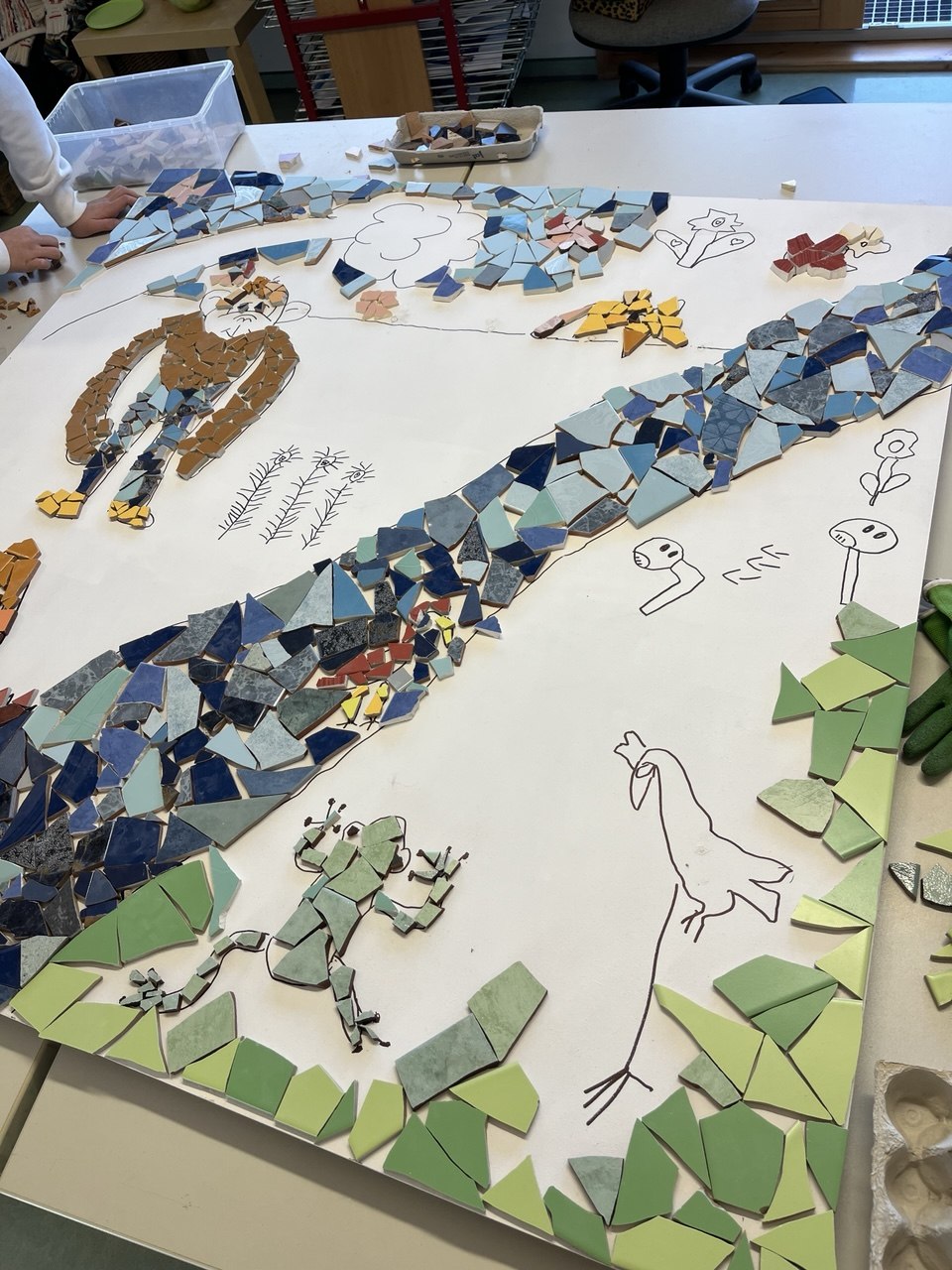
Paradise in mosaic form
The 4th grade of the Evangelische Grundschule Halberstadt created a 4.88 m x 1.22 m mosaic picture for their dining room on the theme of the Garden of Eden. Each child created drawings of animals, imaginary creatures and plants that they thought belonged in a garden of paradise. These motifs were transferred to transparencies and projected onto primed MDF boards using an overhead projector. Meanwhile, the classroom was transformed into a workshop. Using hammers and pliers, the pupils chopped up tiles into colorful fragments, which were carefully sorted by color. The pupils then filled their preliminary drawings with the colored tile fragments. Little by little, a living Garden of Eden was created. Creativity, teamwork and perseverance were particularly important. At the end, patience was required once again as each individual tile piece had to be glued to the back. Once everything was dry, the entire work of art was grouted and an impressive mosaic paradise was created.
Artistic director: Petra Reichenbach
Goethe Sekundarschule Ilsenburg
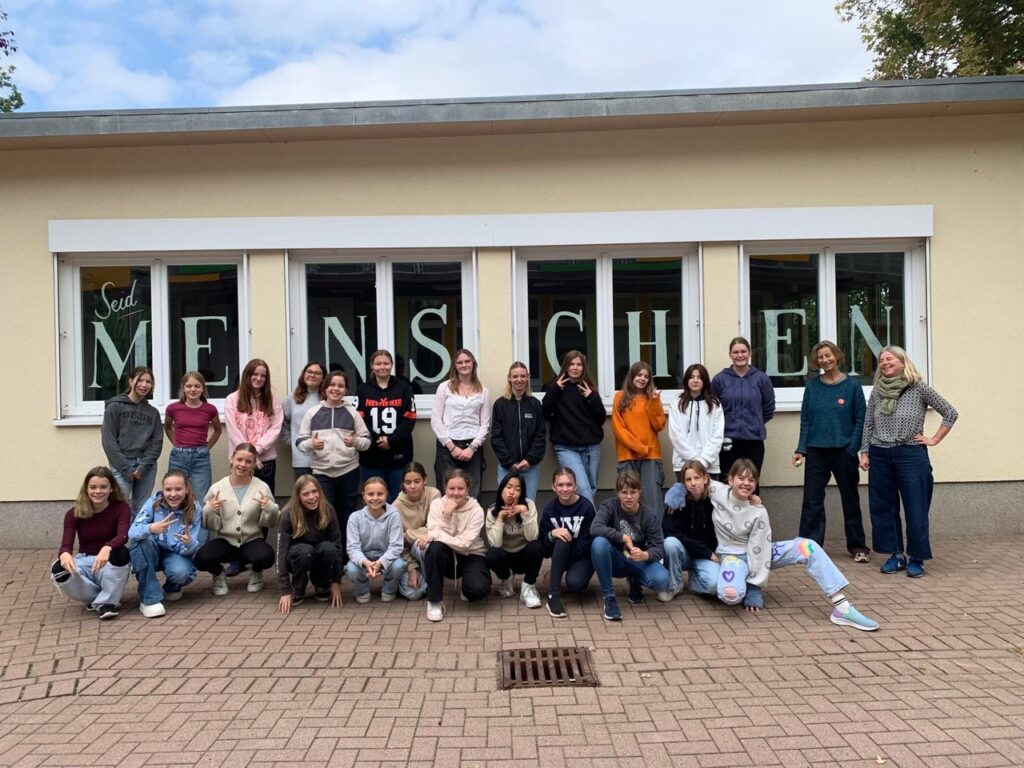
First of all, we dealt with the word “we”. Associations with it, graphic reduction of the “we-messages” on small formats for buttons followed, as well as sensitization for striking writing and arrangement. The windows of the canteen in the schoolyard were measured and large paper templates in the original window format were constructed in teams of two from 1:10 scale drafts. The templates were glued to the outside of the 15 windows in the canteen and the letters were painted on the inside with a brush using glued wall paint (upside down). After drying, corrections could still be made by carefully scraping off the paint. A joint project with an external impact that will carry the message of Holocaust survivor Margot Friedländer into the schoolyard (and the canteen) for some time to come: ” Be human beings. We are all the same. “
Artistic director: Renée Reichenbach
Levana School Eisleben
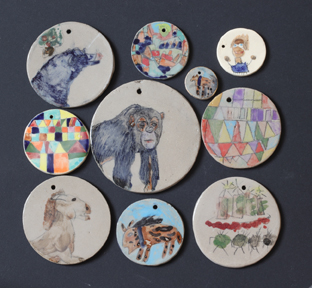
At the request of the class teacher, small, precious ceramic objects were created as gifts for sponsors and friends of the Levana School. Round ceramic plates were the background on which the pupils created their favorite motifs: painterly with engobes or graphically with oxide pens. The resulting objects have the character of medals: most of them are painted and glazed on both sides.
Artistic director: Katrin Röder
Reformschule “Montessori” Halle
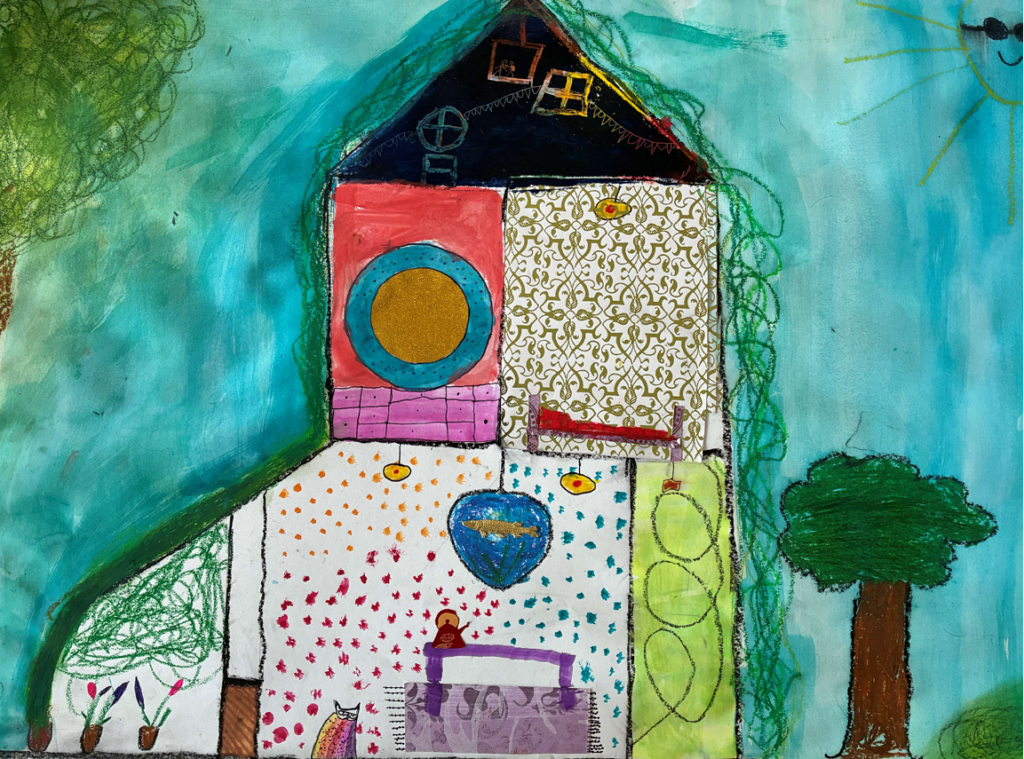
The cat’s house, based on a Russian fairy tale, is a fabulous story and a timeless theme about pride, vanity, true friendship and humanity. The CD served as the basis for the house in cross-section in collage and painting technique. The cat, furniture and surroundings were designed using oil pastels, tempera, colored pencils and decorative paper. The attic was created using the scratching technique. The focus was on the combination of graphics and painting. Working with the pupils was exciting and full of energy!
Artistic director: Desiree Sander
Kastanienallee Community School Halle
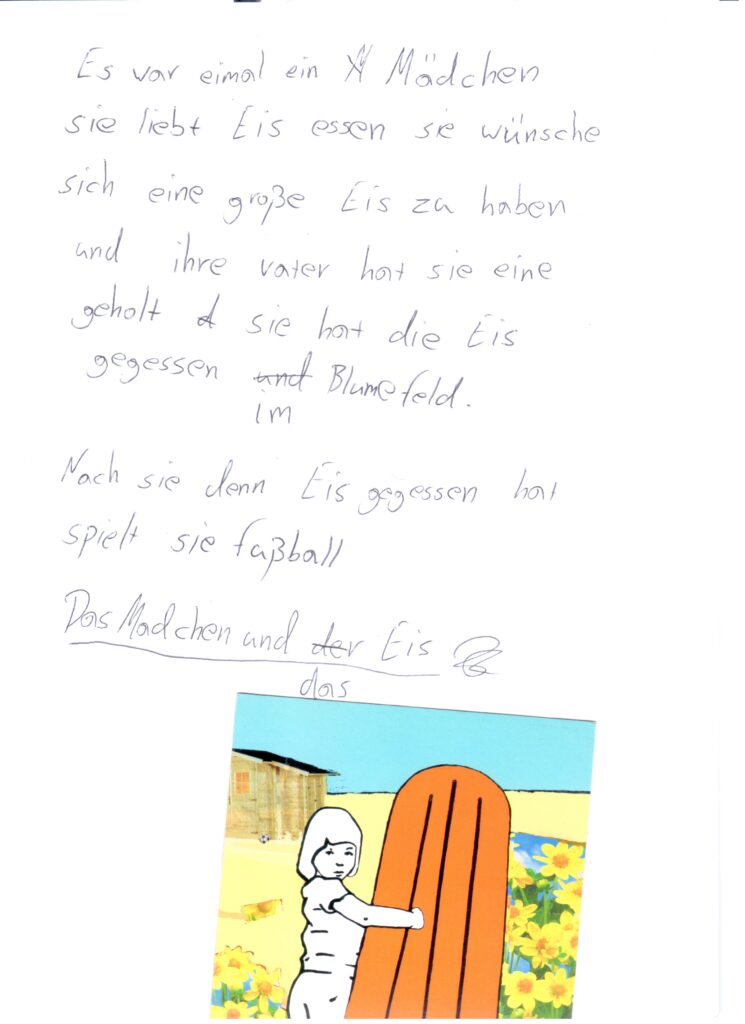
To accompany the lessons, we spent seven weeks at Passage 13 in Halle-Neustadt working intensively on the topic of ‘digital storytelling’. This involved developing stories that were creatively implemented with the help of various media.
The process began with a simple postcard, which served as a starting point for initial ideas. Step by step, the children developed their own narratives using storytelling techniques and theater exercises. The program was supplemented by practical experience in image composition and camera work. Intensive teamwork resulted in three short films that impressively demonstrated both the children’s creativity and their enthusiasm for storytelling.
Artistic director: Katrin Stauß
Evangelische Grundschule Halle
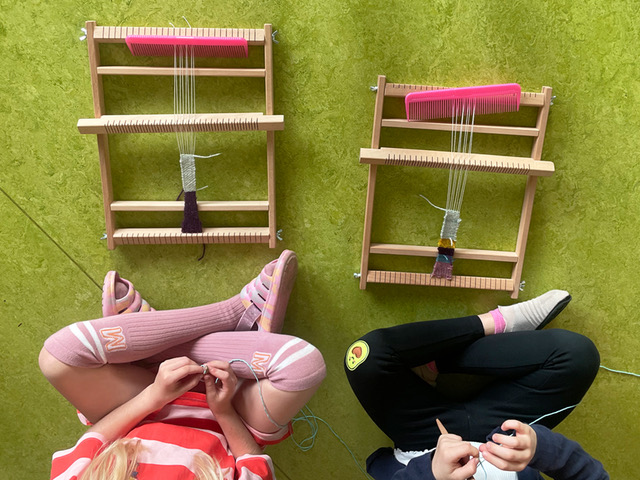
We took a close look at the sheep and its wool. The Oak project group from Year 1 to 4 learned about the process from sheep shearing to the finished work of art. The focus was on the conscious experience of sheep’s wool and its wonderful properties. Dyeing with natural materials resulted in a colorful collection of fibers, yarns and woolen fabrics. The children freely and creatively wove, sewed and felted small rugs, key rings, bags and cuffs.
Artistic director: Pauline Ullrich
Evangelische Grundschule “Martin Luther” Oppin
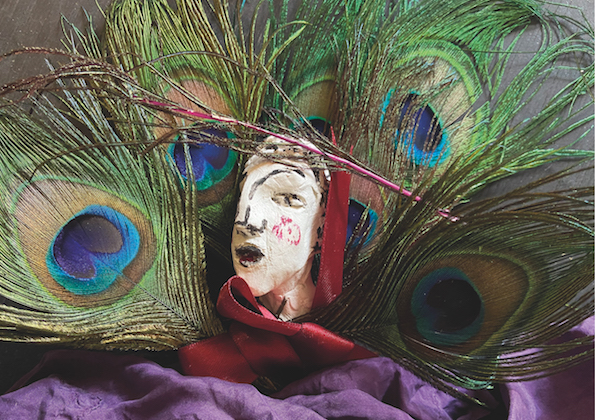
“Circus, magic, Zinnobergiraffeneselzaubererkatze…”
A magical world is created during the project days. Strange creatures come to life at Oppin elementary school! Stories about the circus and magic are told, read aloud and sometimes written. In the end, the self-made stick puppets and the painted, labeled and glued circles turn in the children’s hands. Circus circles with sketches and their own ideas. On the sticks: fabrics, bows, buttons, modeled objects…
Artistic director: Zhana Veselinova Nedelcheva
Freie Waldorfschule Magdeburg e.V.
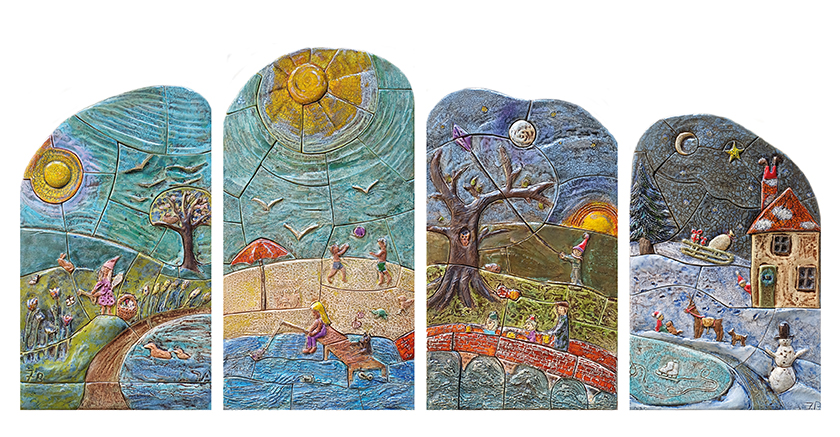
At the beginning, we sketched a colorful project picture together on paper. It became clear what is important to the children in each season: festivals, activities, colors… In groups, they first drew the outlines of the project on four large clay plates and later modeled it as a relief. At the end, the ceramic pictures were cut into pieces and fired three times after drying (raw firing, glaze firing and crackle firing). The 7th graders created four ceramic murals on the four seasons for the school canteen.
Artistic director: Grit Wendelberger
Halle Diemitz-Freiimfelde Primary School
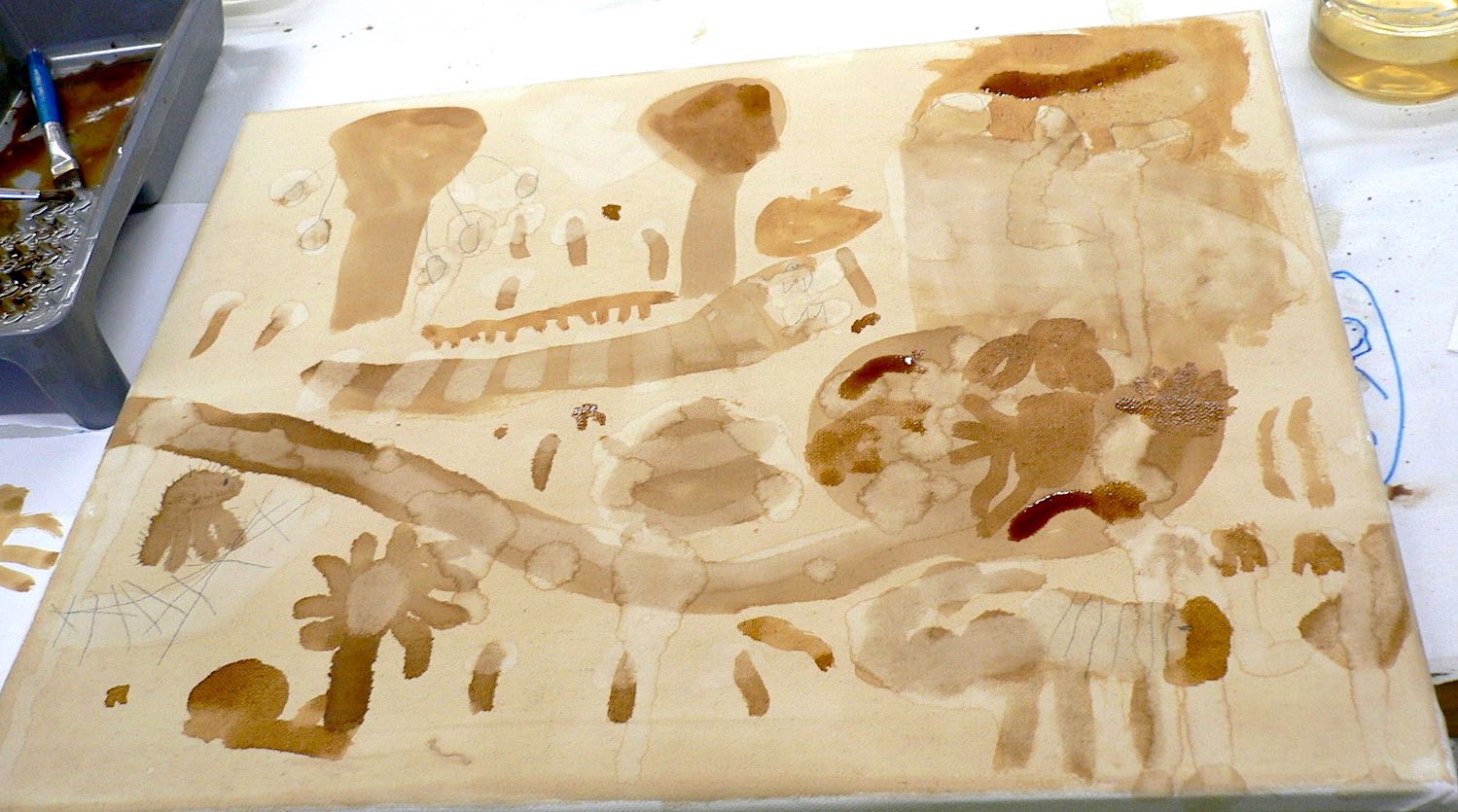
Whatcan I create with coffee or chocolate? Where do cocoa beans grow, where do coffee beans grow? Which artists have worked with Eat Art and how? And which fairy tale features chocolate? Retelling Hansel and Gretel. Try out the edible materials: pour and drip and collage pictures. Experience: Chance and movement play a role in designing with funnels. We set about casting our first own praline. The first doodle drawings for “Hansel and Gretel” are created on edible paper tablecloths.
And what story does coffee feature in? Thomas Leibe tells us from his book “Kaffeemann & Naschmadame”, which he illustrated with coffee. He then uses rollers, brushes and coffee paint to create either Halle’s Hausmannstürme or a landscape with favourite animals or the coffee breakfast cup with cookie on canvases according to his own recipe.
Conclusion: The pupils enjoyed themselves and even the little ones concentrated on painting and designing with coffee and chocolate.
Artistic director: Jakob Wolf
Förderschule für Lernbehinderte Pestalozzi Dessau
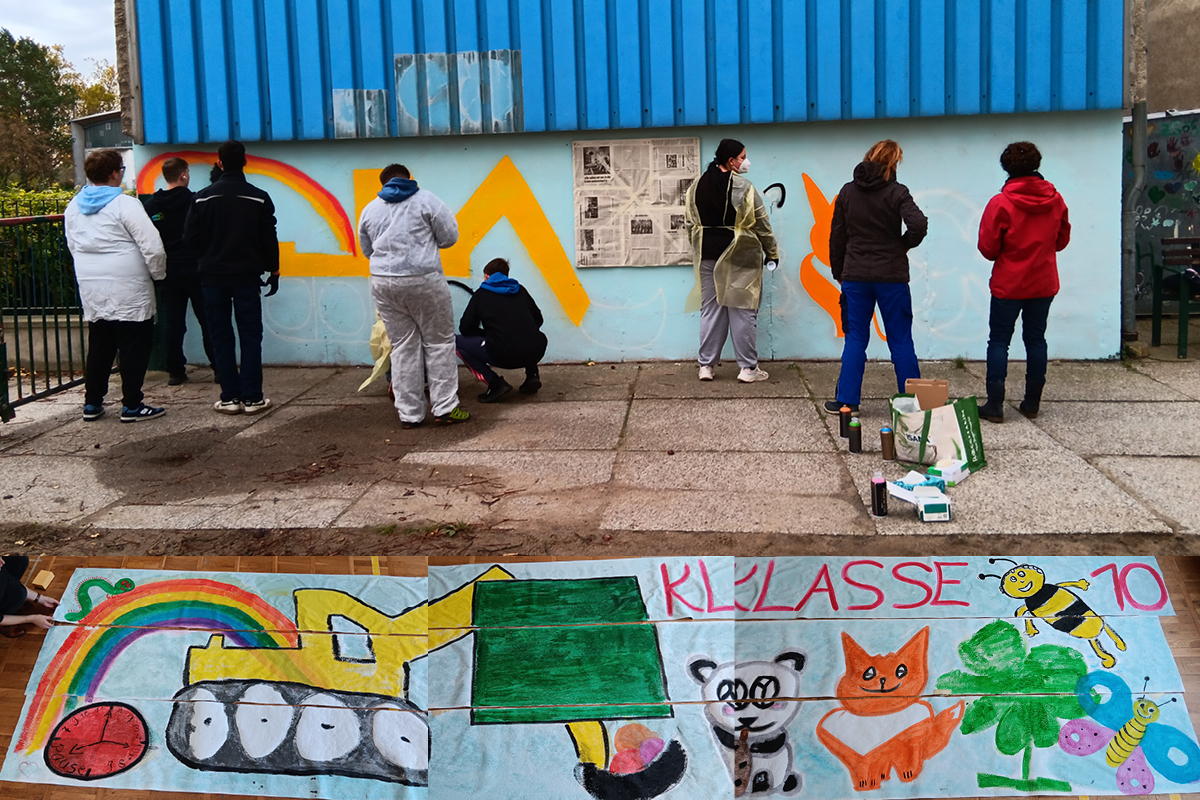
Pupils from the Pestalozzi special school in Dessau worked with artist Jakob Wolf to design a mural for the newly built school playground. The eleven participants in the final class created a colorful 1:1 design on paper, which was transferred to the wall in two further days using spray cans and stencils. The colorful animal motifs show an excavator powered by rainbow energy, which delivers ice cream to the animals and is metamorphically embraced by the development of the caterpillar into a butterfly, which can be read symbolically for the school years.
The art project was supported by school social worker Claudia Trautwig and art teacher Ms. Rothe.